









- bhavya gada
- No Comments
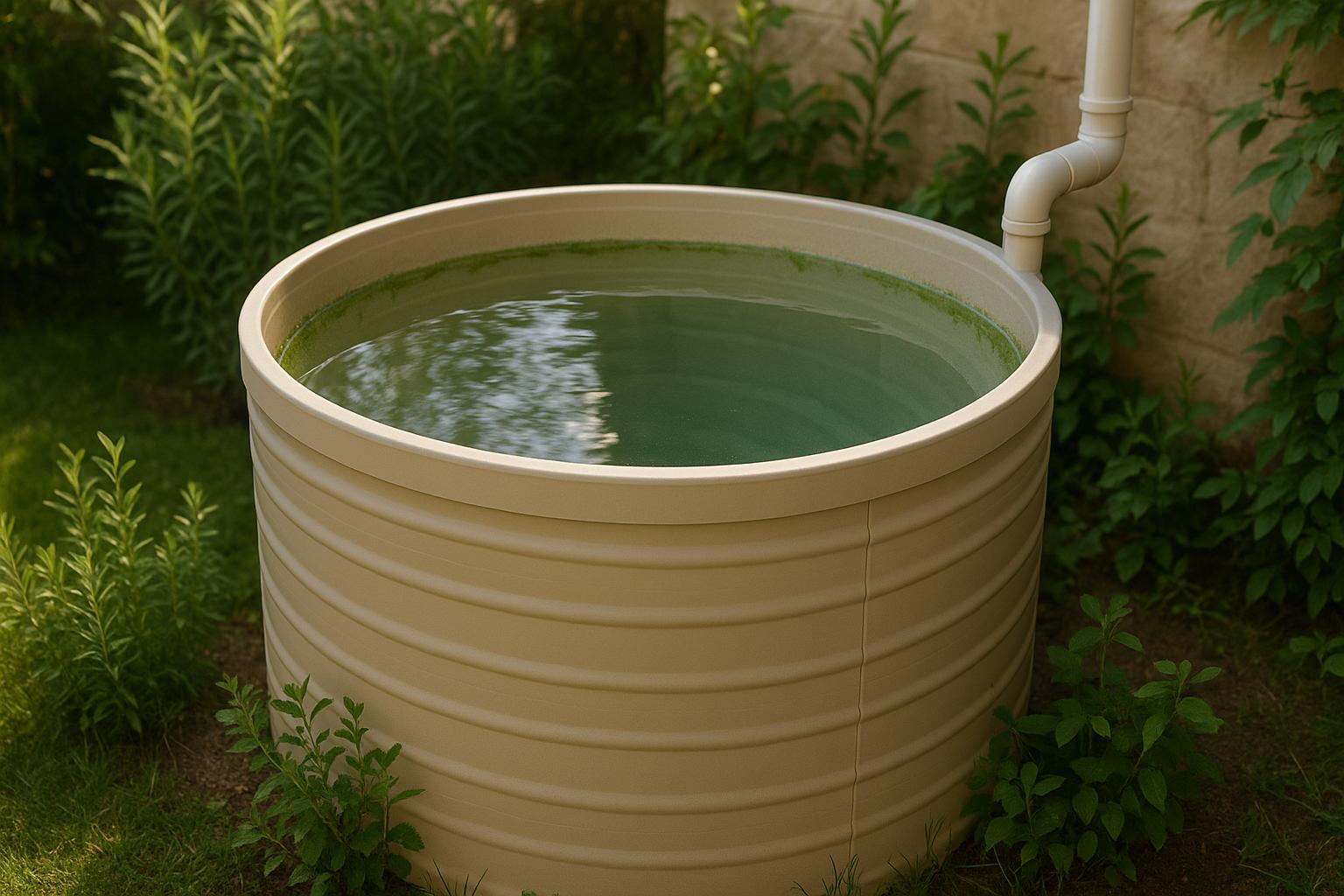
Algae in rainwater tanks is a common issue caused by sunlight, stagnant water, and organic debris. It can make water undrinkable, clog systems, and even pose health risks. The good news? You can prevent it by blocking sunlight, ensuring water circulation, and maintaining your tank regularly. Here’s how:
- Sunlight: Algae thrive on light. Use a fully opaque tank and seal all openings to block sunlight.
- Stagnant Water: Keep water moving. Use or cycle stored water frequently to prevent still conditions.
- Debris: Clean gutters and use filters to stop organic material from entering the tank.
If algae are already present, drain the tank, scrub surfaces, and use safe chemical treatments like diluted bleach. Prevention is easier than cleanup, so focus on proper tank design, tight covers, and regular inspections.
How to Prevent and Remove Algae from Your Water Tanks in 3 Easy Steps
What Causes Algae to Grow in Rainwater Tanks
Algae growth in rainwater tanks happens when sunlight, stagnant water, and nutrients come together, creating the perfect environment for algae to multiply. Let’s break down these factors to help you understand what might be contributing to algae in your tank.
Sunlight Exposure
Sunlight is the biggest driver of algae growth. Algae rely on photosynthesis to turn sunlight into energy. Without light, they simply can’t grow – even if the water is full of nutrients[1]. If sunlight can reach the inside of your tank, algae will likely develop because spores – common in the air – will find their way in[2].
Many people think that using opaque or colored plastic tanks will solve the problem, but that’s not always the case[3]. The key isn’t just opacity – it’s achieving a total sunlight blackout. Tanks made with materials that completely block light are effective, but even slightly translucent ones can let enough light through to support algae growth[3].
Here’s an easy way to test your tank: Open the lid on a sunny day. If you can see light shining through the sidewalls, your tank is at risk of algae growth[3]. This applies to all tank materials – whether plastic, metal, or concrete – since any light exposure can create the right conditions for algae[1].
Sunlight can also sneak in through other openings, like manhole covers, strainers, overflow drains, inlet pipes, or even cracks in the tank walls or roof. Small gaps or wear and tear in the tank are often enough to let in the light algae needs to thrive[1].
While managing sunlight is vital, water movement also plays a key role in keeping algae at bay.
Stagnant Water
When water sits still for too long, it creates an ideal environment for algae to grow. Without movement, algae can quickly take hold and multiply[4]. Circulating water disrupts algae growth and helps spread any treatment chemicals evenly throughout the tank. In contrast, stagnant water gives algae free rein.
Tanks that aren’t regularly emptied or used are especially prone to this issue. The longer water remains undisturbed – especially if sunlight is present – the more likely algae will develop. Think of it like comparing a flowing stream to a still pond: streams resist algae, while ponds often turn green.
If you’re storing water for emergencies or seasonal use, that stagnant setup can become a breeding ground for algae. Regularly cycling the water can help keep algae from gaining a foothold in your tank.
Even if you control sunlight and water movement, the nutrients entering your tank can still fuel algae growth.
Nutrient Availability
Rainwater doesn’t enter your tank clean – it picks up dirt, dust, bird droppings, leaves, and twigs from your roof along the way. All of this organic material acts as food for algae[1].
On top of that, higher levels of phosphates and nitrates in the water can supercharge algae growth[4]. These compounds often come from roof runoff, especially if trees hang over your roof or if debris builds up in your gutters and gets washed into the tank.
Temperature also plays a role. Algae thrive in warm conditions, so tanks in hot, sunny areas see faster algae growth than those in cooler climates[2]. That said, temperature mainly affects how quickly algae grow, while sunlight remains the main factor in whether they grow at all.
The goal isn’t to eliminate algae spores entirely – that’s nearly impossible. Instead, focus on removing the conditions that allow those spores to grow into a full-blown problem.
How to Prevent Algae Growth
Keeping your tank free from algae involves a mix of smart planning and consistent upkeep. It’s much easier to stop algae from forming in the first place than to deal with it later. The key? Smart tank design, proper coverage, and regular maintenance.
Choosing the Right Tank Design
The first step in algae prevention starts with the tank itself. Algae need sunlight to grow, so your tank must block light completely. This means selecting a tank that’s fully opaque – no sunlight should get through the roof or walls[6][7].
Here’s a common misconception: just because a tank is dark in color doesn’t mean it’s lightproof. Some manufacturers market tanks with dark finishes as "algae-resistant", but the real test is whether light can penetrate the material at all. To check, step inside the tank on a sunny day. If you can see any light, algae can grow[3].
When shopping for a tank, look for models made with UV-resistant materials and multiple layers that block all light. Don’t rely solely on marketing claims – ask the manufacturer for proof, like light transmission rates or documentation showing the tank blocks 100% of sunlight[3].
Investing in a quality opaque tank may cost more upfront, but it saves you from the hassle of frequent cleaning and chemical treatments. It’s a long-term solution that keeps your water clean and algae-free.
Once you’ve chosen the right tank, secure it with tight covers and consider adding shade to eliminate any light leaks.
Using Tank Covers and Shade
Even with a lightproof tank, openings like manholes, overflow drains, and inlet pipes can let sunlight sneak in. Tightly fitted covers are your second line of defense against algae and debris[7].
Make sure all covers fit securely and seal every opening. Over time, wear and tear can cause cracks or gaps that let light in. Regularly inspect your covers to ensure they’re in good shape and replace them if needed. Even small gaps can allow enough light to encourage algae growth.
If your tank sits in direct sunlight for most of the day, consider adding external shade structures. Positioning tanks in naturally shaded spots – like under eaves, near buildings, or beneath trees – can help keep water cooler and block sunlight. This is especially important in warmer climates, where heat accelerates algae growth[2]. You can also install fixed covers or build shade structures for extra protection.
With the right tank and covers in place, your next focus should be on consistent maintenance.
Regular Maintenance and Filter Systems
No matter how well-designed your tank is, regular maintenance is essential to keep algae at bay. Start by cycling stored water frequently to prevent stagnation[6].
Filtration systems are also crucial. They remove organic debris, sediment, and other contaminants that feed algae growth. While filters are effective, they work best when paired with light-blocking measures. Make sure to clean or replace filters regularly – usually every few months, depending on your rainfall and debris levels. Clogged filters can become a breeding ground for algae if not maintained.
Inspect your tank at least twice a year to check for algae, cracks, or sediment buildup. Pay special attention to areas around inlet pipes and overflow drains, where debris tends to collect. Keeping your roof and gutters clean is another important step. Before rainy seasons, clear out any leaves or organic material to reduce the nutrients washing into your tank[6].
In areas with heavy rainfall or lots of trees, you may need to clean filters and inspect your system more often. The more organic debris your tank encounters, the more vigilant you’ll need to be.
For added protection, you can use chemical treatments like bleach. Adding about one teaspoon of bleach per 20 liters of water, or chlorine at 4 parts per million, can help prevent algae growth[7]. However, if you’re using the water for drinking or household purposes, follow strict dosing guidelines and handle chemicals carefully[6]. Keep in mind that while chemicals can help, physical barriers and regular upkeep should always be your main focus.
sbb-itb-843f8be
How to Remove Existing Algae
If algae have already taken over your rainwater tank, don’t worry – there are effective ways to tackle the problem and restore water quality. The right approach depends on how severe the issue is and whether the water is meant for drinking or other uses. Pair these removal methods with ongoing prevention efforts to keep your water clean in the long run.
Manual Cleaning and Scrubbing
Manual scrubbing is a straightforward way to deal with visible algae growth[6]. Start by draining the tank completely. Then, use soft brushes or non-abrasive tools to scrub the interior surfaces. Avoid metal scrapers or harsh pads, as they can scratch the tank, creating spots where algae might grow back.
Make sure to wear protective gear and work in a well-ventilated area. Cleaning every nook and cranny of the tank – especially around inlet pipes or tight corners – can be tricky, particularly with larger tanks. Once you’ve scrubbed the tank, rinse it thoroughly to clear out any leftover debris. While manual cleaning is effective for removing existing algae, it doesn’t stop new growth from forming.
If manual cleaning doesn’t fully address the problem, chemical treatments can help tackle more stubborn algae.
Chemical Treatments
When scrubbing isn’t enough or you need a quicker solution, chemical treatments can be a reliable option. For example, you can use 7% sodium hypochlorite at a ratio of 35 mL (1.2 oz) per 100 gallons of water. Allow the solution to circulate in the tank for several hours[2]. If the water is for drinking, make sure to follow dosing guidelines carefully and give the water enough time to dechlorinate before use.
It’s worth noting that chemical treatments often provide a temporary fix. Depending on how quickly algae return, you might need to repeat the process weekly[2].
Always handle chemicals with care – wear gloves, use eye protection, and ensure proper ventilation. Stick to EPA-approved algaecides and disinfectants for drinking water systems, and follow all safety and storage guidelines.
Combining manual cleaning, chemical treatments, and prevention strategies will help ensure your tank water stays clean and algae-free.
Combining Methods for Long-Term Prevention
To keep algae at bay, it’s smart to layer multiple strategies. Start with an opaque tank to block light, ensure proper water circulation, and add chemical or UV treatments when needed. This combination tackles algae by removing the key factors it needs to thrive: light, still water, and nutrients [2][6]. By building on basic prevention techniques, using several methods together ensures consistent protection throughout the year. For example, placing dust covers over inlet strainers helps block stray light and debris [3]. Regular maintenance to prevent stagnant water, paired with chemical treatments during peak algae seasons, strengthens your defense.
Additionally, tailor your approach to Maryland’s unique seasonal patterns and roof conditions for the best results.
Rainwater Harvesting Considerations
In Maryland, algae growth spikes during spring and summer when temperatures climb above 68°F (20°C) and daylight hours are longer [5]. During these warmer months, it’s essential to inspect your tank more frequently and ramp up your prevention efforts. While cooler winter temperatures naturally slow algae growth, maintaining an opaque tank is crucial year-round.
Spring runoff introduces the highest nutrient levels into your rainwater system. Pollen, leaf debris, and atmospheric dust wash off your roof and into your tank [6]. To combat this, consider first-flush diverters for roofs prone to debris. These devices discard the initial 10 to 20 gallons of runoff, removing nutrient-rich water that could fuel algae growth. If your property has heavy tree coverage, screen your gutters and downspouts and clean them regularly to keep organic material out of your tank. Maryland’s humid climate and frequent rainfall mean tanks often refill, which can either help with circulation or, depending on your tank design, encourage algae growth.
Adjust your maintenance schedule to reflect seasonal changes, paying extra attention from April through September. A thorough cleaning of your tank before warmer months can prevent problems before they start.
For a more robust and lasting solution, consider integrating these methods with professional water management services.
Professional Water Management Solutions
Designing a rainwater system that prevents algae while also managing stormwater effectively requires a well-rounded approach. Professional landscaping and drainage experts can incorporate algae prevention into broader water management plans [2]. For instance, Pro Landscapes MD offers solutions that combine drainage techniques – like French drains, proper grading, and stormwater systems – with rainwater tank designs that encourage natural water circulation and reduce stagnation.
Professionally installed systems ensure all components work together seamlessly. Experts can strategically position tanks in natural shade or under dedicated shade structures, install internal baffles or circulation systems to keep water moving, and integrate filtration systems with UV treatment and maintenance schedules [6]. This holistic approach not only prevents algae but also manages stormwater runoff, reduces flooding risks, conserves water, and helps maintain water quality.
Conclusion
Keeping algae growth in rainwater tanks under control is entirely possible when you understand its causes and take the right steps to prevent it. Algae thrives when sunlight, stagnant water, and nutrients come together – but without sunlight, algae can’t grow[2]. This simple fact should guide how you manage your rainwater storage system.
It’s much easier – and cheaper – to prevent algae than to deal with it later. Once algae takes hold, it can make your water unusable[3]. Worse, algae-contaminated water can cause health problems like gastrointestinal issues, skin irritation, and allergic reactions[1]. Large blooms can even damage your tank, affecting its functionality and lifespan[7].
Prevention is straightforward. Use a fully opaque tank that blocks all light, ensure regular water circulation, and consider chemical treatments like bleach (about 1.2 ounces per 100 gallons of water) or UV filtration systems for ongoing protection[2][8]. During Maryland’s warmer months – April through September – when temperatures rise above 68°F and algae growth speeds up, inspect and maintain your tank more frequently[5]. If routine measures aren’t enough, professional help can provide additional security for your system[2].
For more advanced systems, professional water management services can offer a comprehensive approach. These services, like those provided by Pro Landscapes MD, integrate algae prevention with effective drainage and stormwater strategies[2]. Combining smart design, regular maintenance, and expert input ensures your rainwater system stays dependable and algae-free.
FAQs
What health risks can algae in rainwater tanks pose, and how can you prevent them?
Algae-contaminated rainwater can carry health risks, particularly when used for drinking or household purposes. Algae not only encourage the growth of harmful bacteria but can also release toxins that might cause skin irritation, stomach problems, or even respiratory issues when inhaled or ingested.
To reduce the chances of algae growth, position your rainwater tank in a shaded spot to limit sunlight, as light accelerates algae development. Regular maintenance is key – clean your tank frequently to prevent the buildup of debris or organic material. Adding a fine mesh filter to the tank’s inlet is another effective step, as it helps block algae spores and other contaminants. For extra peace of mind, you might want to use a tank-safe algaecide or install a UV filtration system to ensure your water remains clean and safe for use.
How often should I check and maintain my rainwater tank to keep algae from growing?
To keep algae at bay in your rainwater tank, make it a habit to inspect and maintain the system every three to six months. These routine checks can help you catch problems early, such as sunlight seeping in, debris accumulation, or worn-out seals – all of which create the perfect environment for algae.
A few essential maintenance tasks include thoroughly cleaning the tank, sealing all openings securely, and clearing out debris from gutters and filters. To take your prevention efforts a step further, think about adding a first-flush diverter to stop organic matter from entering the tank. Additionally, using opaque covers or materials to block sunlight can make it much harder for algae to grow.
What types of rainwater tanks are best at preventing algae growth?
Rainwater tanks crafted from materials like concrete, stainless steel, or dark-colored plastic do a better job of keeping algae at bay. Why? These materials block sunlight, a key ingredient for algae growth. Tanks with sealed lids and efficient filtration systems can take it a step further by limiting light exposure and keeping out contaminants.
To keep your tank in top shape and algae-free, make maintenance a priority. Regularly clean the tank, and check that gutters and filters are clear of debris. These small efforts go a long way in ensuring your rainwater stays clean and ready for use.
Chat with Us