









- bhavya gada
- No Comments
Basement moisture can cause serious problems, from structural damage to mold growth. Here’s what you need to know:
- Main Causes:
- Groundwater Seepage: Water enters through foundation cracks or porous concrete.
- Condensation: Poor ventilation leads to water vapor condensing on cool surfaces.
- Surface Water: Improper grading or clogged gutters allow water to pool near your home.
- Solutions:
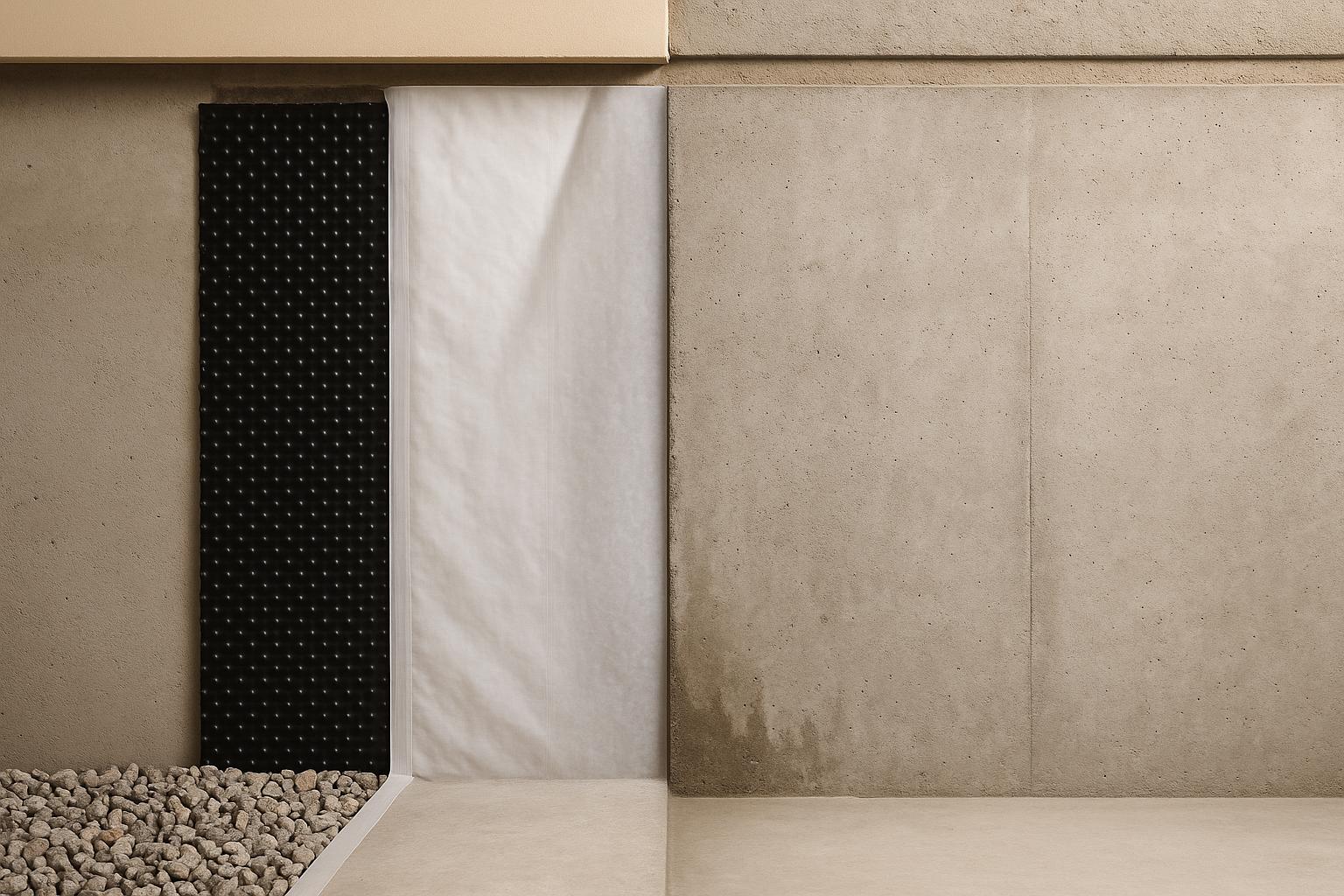
- Use moisture barriers like vapor barriers, waterproofing membranes, and sealants to block water.
- Ensure proper grading and drainage to redirect surface water away from your foundation.
- Install dehumidifiers and insulate cold pipes to control indoor humidity.
- Maintenance Tips:
- Regularly inspect for cracks, leaks, or signs of mold.
- Clean gutters and test sump pumps periodically.
Addressing moisture at the source and combining external and internal solutions will help keep your basement dry and safe.
The Ugly Truth About Basement Vapor Barriers
Common Causes of Basement Moisture
Understanding how moisture ends up in your basement is key to tackling the problem. Water can enter through three main routes, and each requires a different approach to keep your basement dry and safe.
Groundwater Seepage and Foundation Cracks
Groundwater seepage is one of the most frequent reasons basements get damp. Since basements are surrounded by soil, they’re constantly exposed to moisture. After heavy rain, rising groundwater levels increase the pressure against your foundation walls, and water starts searching for any weak spot to get in.
The issue is made worse by the fact that concrete foundations, while sturdy, aren’t impenetrable. Even tiny cracks, porous concrete, and poorly sealed joints can let water in. Over time, natural settling and temperature changes can expand these vulnerabilities, creating more opportunities for water to enter.
If you notice damp spots on your basement walls or floor, especially after a storm, groundwater seepage is likely the culprit. The EPA suggests keeping basement humidity below 50%, but water intrusion can quickly push those levels higher. Even minor leaks, if left untreated, can lead to chronic dampness and mold problems.
But groundwater isn’t the only source of moisture. Temperature differences and poor airflow can also play a big role.
Condensation From Poor Ventilation
Another common issue is condensation, which often gets overlooked. Basements stay cooler than the rest of the house because they’re surrounded by soil. When warm, humid air enters the basement and meets those cold surfaces – like walls or exposed pipes – water vapor condenses into liquid droplets.
Without proper ventilation, this condensed moisture builds up, raising the humidity and creating a perfect environment for mold.
Cold water pipes are a particular trouble spot. During humid summer months, the contrast between warm air and cold pipes causes condensation, which can drip onto the floor. Poor airflow makes matters worse, allowing moisture to linger and mold to spread on walls, floors, and stored items.
Seasonal changes also impact condensation. In summer, rising temperatures and humidity make basements more prone to moisture issues. While winter heating can reduce condensation by warming the space, many homeowners don’t heat their basements enough to make a difference.
Surface Water From Inadequate Drainage
Surface water caused by poor drainage around your home is often the easiest moisture problem to prevent – but it’s still a common issue. When water isn’t properly directed away from your foundation, it pools near your home and eventually seeps inside.
One of the biggest culprits is improper grading. The ground around your foundation should slope downward – about 6 inches for every 10 feet away from your home. If the grading is flat or slopes toward the house, or if gutters are clogged and downspouts aren’t positioned correctly, water can collect at the base of your home. This pooled water increases pressure against your foundation, forcing its way inside through cracks or gaps.
Experts recommend directing water at least 4 to 6 feet away from the foundation, with some suggesting up to 15 feet for extra protection.
Landscaping can also contribute to the problem. Flower beds placed too close to the foundation or retaining walls that trap water can unintentionally funnel water toward your basement. When drainage systems fail, the resulting moisture can lead to foundation damage, mold, and even dry rot.
Additionally, plumbing leaks can go unnoticed for long periods, causing significant moisture damage before they’re discovered. Regular inspections can help catch these issues early.
How Moisture Barriers Prevent Water Damage
Once you know where basement moisture originates, the next step is figuring out how to stop it. Moisture barriers act as a protective shield, keeping both liquid water and water vapor from seeping into your basement. By doing so, they significantly reduce the risk of mold and mildew growth, which thrive in damp environments[1].
A well-planned barrier system tackles moisture on multiple levels – preventing groundwater seepage, stopping condensation, and blocking surface water infiltration. Let’s dive into the different types of barriers that can help protect your basement.
Types of Moisture Barriers
Not all moisture issues are the same, which means the solutions need to be tailored to the specific problem. Choosing the right type of barrier is key to building a solid defense against water damage.
- Vapor barriers: These are often the first line of defense for managing basement moisture. Made from 6-mil polyethylene plastic sheets, vapor barriers are installed on basement floors and walls to stop ground moisture from entering your space[1]. They’re especially useful in areas with high groundwater levels, creating a continuous barrier between the soil and your basement.
- Waterproofing membranes: Unlike vapor barriers, these are designed to block liquid water. Applied directly to foundation walls, waterproofing membranes create a seal that prevents rain and groundwater from penetrating into your basement[3].
- Foundation coatings and sealants: These target cracks, joints, and other weak points in your foundation. Cracks can be filled with epoxy injections or polyurethane foam for a permanent fix, while joints are sealed with specialized materials to close gaps[1].
- Rigid foam board insulation: Installed on basement walls, this serves a dual purpose. It helps prevent condensation while also improving energy efficiency, adding another layer of moisture protection[1].
- Pipe insulation: Condensation on cold water pipes is a common issue in basements. Wrapping pipes with foam or fiberglass insulation prevents moisture from forming when warm, humid air meets cold surfaces[1].
Each of these barriers addresses a specific moisture pathway. Vapor barriers handle ground moisture, membranes block liquid water, coatings and sealants close structural gaps, and insulation tackles condensation. Often, the best results come from combining multiple types of barriers for layered protection.
Installation Methods and Best Practices
Even the best barriers won’t work if they’re not installed correctly. Once you’ve chosen the right barrier, proper installation is critical to ensure long-term effectiveness.
For vapor barriers, start by selecting high-quality materials, like 6-mil polyethylene sheets. Install the barrier continuously on basement floors and walls, ensuring all seams overlap by at least 6 inches. Seal all joints to prevent moisture from sneaking through[1]. On walls, the barrier should extend at least 12 inches above the anticipated water line. Before installation, inspect the foundation for cracks or gaps, sealing them with epoxy or polyurethane foam to create a smooth surface for the barrier[1].
Waterproofing membranes can be applied to either the interior or exterior of foundation walls, depending on the situation. Exterior application is ideal for new construction or during major renovations, as it stops water from reaching your basement altogether. Interior membranes, along with sealants and vapor barriers, act as a secondary defense to manage moisture that has already entered the space[1][3].
Proper grading and drainage are also essential for maximizing the effectiveness of your barriers. The ground around your home should slope away from the foundation – about 6 inches for every 10 feet – to prevent water from pooling near the basement walls[1]. Gutters and downspouts should be maintained and positioned to direct water at least 4 to 6 feet away from the house[1].
For homeowners in central Maryland and nearby areas, addressing grading and drainage is especially important due to the region’s varied soil types and seasonal rainfall. Companies like Pro Landscapes MD offer landscaping and drainage solutions, such as grading adjustments and French drain installations, to direct surface water away from your home. These measures work hand-in-hand with moisture barriers to keep your basement dry and protected from water damage.
sbb-itb-843f8be
Complete Basement Moisture Management
Moisture barriers are just one piece of the puzzle when it comes to protecting your basement from water issues. A well-rounded moisture management plan goes beyond barriers by addressing water from multiple angles – keeping it away from your foundation, blocking anything that does seep through, and managing the humidity inside. This layered approach of prevention, redirection, and humidity control works together to maintain a dry basement throughout the year[1].
External Solutions for Water Redirection
In addition to installing moisture barriers, external measures play a critical role in keeping water from reaching your foundation in the first place. Proper grading and regular gutter maintenance are essential first steps. Clogged gutters often lead to water overflowing and pooling near your foundation, which can quickly lead to basement problems[1]. By cleaning gutters regularly and ensuring downspouts extend 4 to 6 feet away from the house, you can direct water safely away from your foundation. Adding downspout extensions or splash blocks offers extra security during heavy rains.
French drains are another effective solution for redirecting groundwater. These systems use perforated pipes buried in gravel trenches to collect and carry water away from your foundation. When paired with proper grading, French drains reduce the pressure on your moisture barriers, helping them perform better and last longer.
For homeowners in Maryland, professional drainage services can make a noticeable difference. Companies like Pro Landscapes MD provide solutions such as French drain installations, grading adjustments, stormwater management, and yard leveling. These services create a comprehensive water management system that protects both your foundation and your yard.
Sump pumps offer an active solution for removing water that does manage to get inside. Installed at the lowest point of your basement, these pumps can efficiently remove water. For added peace of mind during power outages, consider a battery-powered backup system[1].
While external solutions focus on preventing water entry, internal systems are key to managing any lingering moisture.
Internal Solutions for Humidity Control
Even with excellent external drainage, basements are naturally prone to higher humidity because of their below-ground location and the surrounding soil. Internal measures are essential to maintaining a dry, mold-free space.
A high-quality dehumidifier designed for basements is a must. Look for one that can handle at least 50 pints of water per day[4]. The Environmental Protection Agency recommends keeping basement humidity levels between 30% and 50%[5]. Dehumidifiers with auto-drain features are especially convenient, as they eliminate the hassle of emptying water collection buckets.
Improving air circulation and addressing potential condensation issues can also help. Opening basement windows when the weather is favorable allows fresh air to replace damp air. For spaces with limited airflow, installing vents or exhaust fans can make a big difference[2]. Wrapping cold water pipes with foam or fiberglass insulation prevents condensation from forming and dripping onto the floor[1][4]. During colder months, slightly increasing the basement’s heat can further reduce condensation on cool surfaces[4].
When renovating or finishing your basement, opt for materials designed to resist moisture. Mold-resistant drywall, insulation, flooring, and paint are all excellent choices[2]. These materials help keep mold at bay and won’t degrade as quickly as standard materials if exposed to humidity.
Lastly, don’t overlook plumbing leaks. Even a small drip can create the ideal conditions for mold to thrive[2]. Addressing leaks promptly is crucial to maintaining a dry and healthy basement environment.
Maintenance and Monitoring for Long-Term Results
Even the most effective moisture management systems need consistent upkeep. Without regular attention, these systems can fail. Foundation cracks may expand as the ground shifts, gutters can clog with debris, and sump pumps can stop working just when you need them most. Staying on top of maintenance and addressing problems as they arise can help ensure your basement stays dry and protected.
Regular Inspections and Repairs
A solid maintenance routine is essential to support your moisture barriers and drainage systems. Early intervention can save you from more significant problems down the road.
Conduct thorough basement inspections at least twice a year [5], ideally in the spring and fall. It’s also wise to check after heavy rainstorms or severe weather. During these inspections, look for warning signs such as water stains on walls or floors, white mineral deposits (efflorescence), musty smells, mold or mildew, peeling paint, or new cracks in the foundation or walls. Catching minor water issues early can prevent them from escalating into persistent dampness or mold growth.
If you spot small cracks in your foundation, seal them with a high-quality sealant or hydraulic cement. For larger cracks, professional repairs – like epoxy injections or polyurethane foam sealing – may be necessary. Keep a log of your inspections, noting dates, findings, and any actions taken. This record can help track recurring issues and may also be useful for insurance purposes.
Don’t overlook your plumbing during these checks. Even a minor drip from a pipe or appliance can create enough moisture to encourage mold growth. Inspect all visible pipes, particularly cold water lines, for leaks or condensation. If needed, insulate them with foam or fiberglass to prevent moisture buildup.
Vapor barriers and foundation sealants also require periodic inspections. Check for tears, gaps, or signs of wear, and reapply or repair as needed to maintain their effectiveness.
Maintaining Drainage Systems
Your drainage systems are a critical part of keeping water away from your home, and regular maintenance ensures they continue to perform effectively.
Start with your gutters. Clean them seasonally – especially before periods of heavy rain and after storms – to prevent clogs. Make sure downspouts direct water at least 4 to 6 feet away from your foundation [1]. Adding downspout extensions or splash blocks can provide extra protection, especially during heavy rainfall.
Sump pumps need periodic testing to confirm they’re in working order. Pour water into the sump pit to ensure the pump activates and efficiently removes water. Also, check that the discharge line is free of blockages and directs water a safe distance from your foundation. If your home is prone to flooding, consider installing a battery-powered backup sump pump to keep things running during power outages.
For French drains, watch for settling, erosion, or blockages that could interfere with proper drainage. Also, monitor the grading around your home, as heavy rains or landscaping changes can cause erosion or settling. Address any issues promptly to maintain the system’s effectiveness.
Maryland homeowners facing complex drainage challenges can turn to Pro Landscapes MD for professional services. They specialize in French drain maintenance, grading adjustments, and drainage system repairs, offering expertise in yard leveling and stormwater management to keep basements dry throughout the year.
Finally, use a hygrometer to monitor basement humidity levels. Aim to keep humidity between 30% and 50% [4]. If levels stay high even with a dehumidifier, it could indicate a deeper issue with your drainage or moisture barriers that needs further investigation. Combining drainage system checks with humidity monitoring helps ensure your basement remains dry and comfortable.
Conclusion
Dealing with basement moisture can feel overwhelming, but pinpointing its causes – like groundwater seepage, condensation, and surface water – can help you take control.
A good defense starts with moisture barriers such as exterior membranes, vapor barriers, and sealing any cracks. Pair these with proper grading, well-placed downspouts, and clean gutters, and you’re already ahead of the game [1]. Beyond these basics, a thorough moisture management plan combines both external and internal solutions. Features like French drains and thoughtful landscaping work to keep water away from your foundation, while sump pumps and dehumidifiers handle any moisture that sneaks in. Regular checkups and quick repairs are key to keeping your home dry and protected for the long haul.
For Maryland homeowners, professional expertise can make all the difference. Pro Landscapes MD specializes in drainage solutions, offering services like French drain installation, regrading, stormwater management, and yard leveling. Their team’s background in landscape design and horticulture ensures they craft solutions tailored to your property’s specific needs.
Don’t wait for a small moisture issue to turn into a big problem. Tackle it head-on – identify the source, set up barriers, maintain drainage systems, and call in the experts when needed. Your basement and foundation will thank you for years to come.
FAQs
How can I tell if groundwater seepage is causing moisture in my basement?
If you’re dealing with a damp basement, groundwater seepage might be the culprit. Signs to watch for include damp or wet walls, water pooling at the base of walls, or a persistent musty smell. These problems often show up after heavy rain or when the water table rises.
To confirm groundwater seepage as the cause, it’s a good idea to call in a professional. They can assess the situation and suggest fixes like installing moisture barriers or upgrading the drainage system around your home. Tackling this issue early can help you avoid serious damage and keep your basement dry and comfortable.
How can you properly install moisture barriers to prevent basement moisture issues long-term?
To keep moisture barriers working effectively over time, it’s crucial to install them on surfaces that are both clean and dry. Begin by thoroughly cleaning and drying your basement walls or floors to eliminate any dirt, debris, or lingering moisture. Once the surface is prepped, carefully apply the moisture barrier – whether it’s a plastic sheet or a waterproof membrane. Make sure to seal the edges securely and overlap sections to block any potential water entry points. For extra defense, pair the barrier with a good drainage system to direct water away from your foundation.
Choosing durable materials and using proper installation methods can make a big difference in how well your moisture barrier performs. If you’re unsure about the process or need guidance, reaching out to a professional can help ensure your basement remains dry and well-protected for the long haul.
How often should I check and maintain my basement drainage system to prevent moisture problems?
Keeping your basement drainage system in good shape is essential, and a yearly inspection is a smart way to stay ahead of potential moisture problems. These regular checkups can help catch clogs, cracks, or other issues early – before they turn into bigger headaches. After heavy rainstorms or when the snow starts to melt, it’s also a good idea to take a quick look to make sure everything is running smoothly.
If you spot signs like lingering dampness, water pooling, or that unmistakable musty smell, don’t wait to take action. Tackling these problems right away can save your basement from serious damage and keep the space dry and comfortable.
Chat with Us