









- bhavya gada
- No Comments
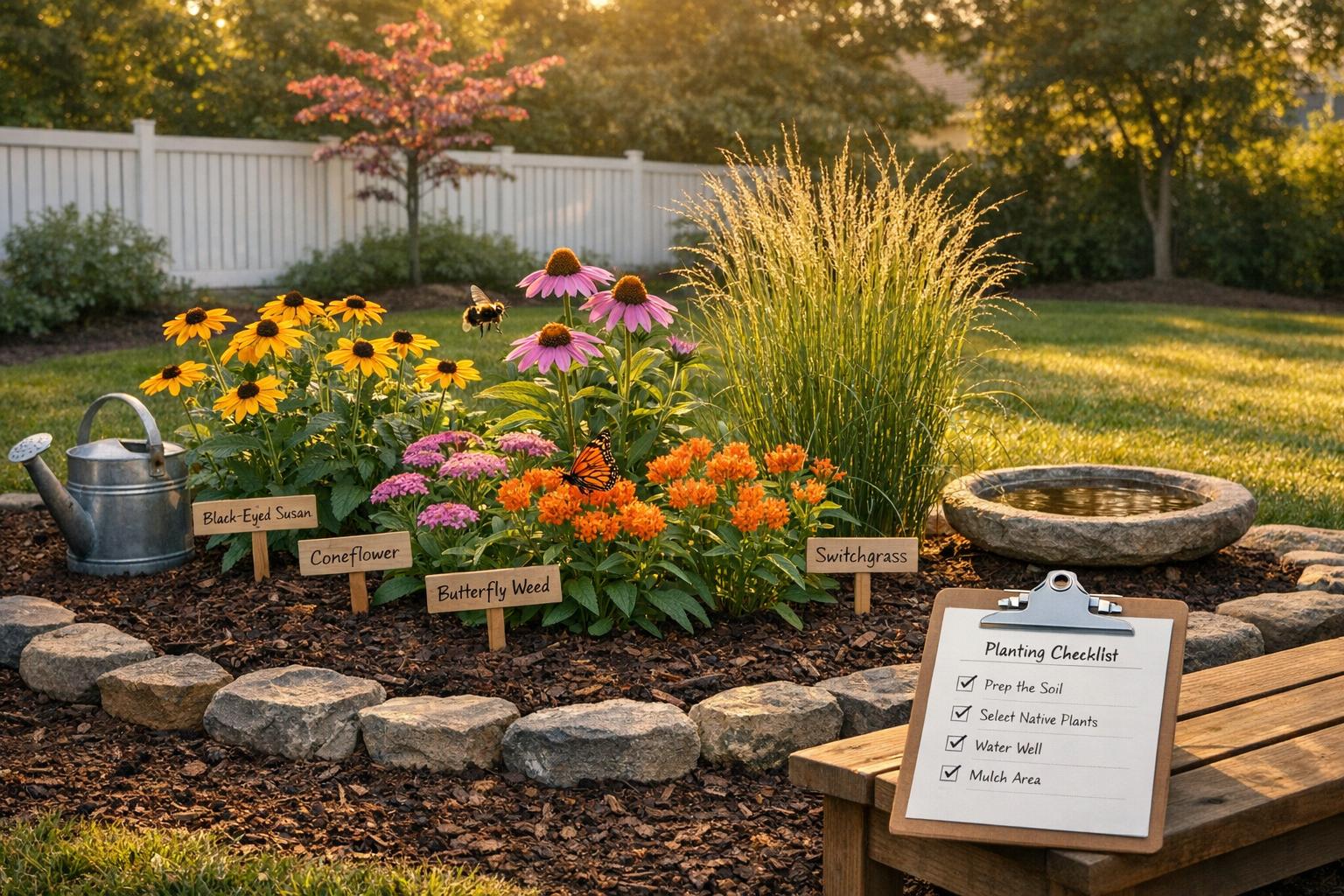
Native plants are a smart choice for Maryland yards. They thrive in the state’s climate, require less water and fertilizer, and support local wildlife like pollinators and birds. To get started:
- Understand Your Yard: Test soil type, pH, and drainage. Observe sunlight and moisture levels. Identify your USDA hardiness zone (Maryland ranges from 5b to 8a).
- Choose the Right Plants: Match plants to your yard’s conditions (e.g., dry, sunny areas suit Butterfly Weed; shaded spots suit Wild Ginger). Opt for species that provide food and shelter for wildlife.
- Prepare and Plant Properly: Plant in spring or fall, dig wide holes, and use mulch (but keep it away from stems). Water consistently during the first 2–3 years.
- Maintain Your Landscape: Water deeply during dry periods, prune carefully, and remove aggressive plant species. Protect young plants from deer and pests.
For a smooth process, consider professional help for soil testing, plant selection, and maintenance. With the right steps, you’ll create a thriving, low-maintenance yard that benefits Maryland’s ecosystem.
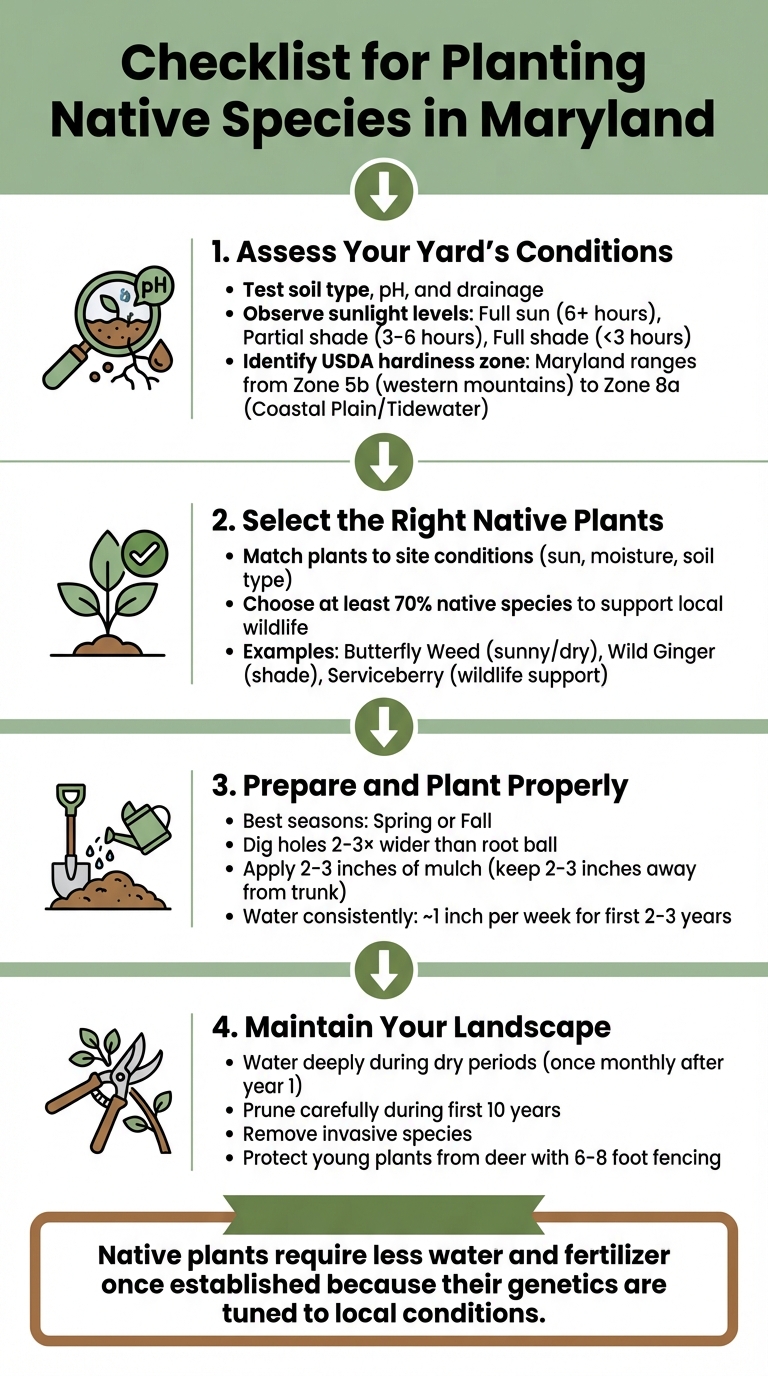
4-Step Guide to Planting Native Species in Maryland
Let’s Transform this Maryland Landscape with 100’s of Native Plants!
sbb-itb-843f8be
Assess Your Yard’s Conditions
Before planting native species, take a close look at your yard’s specific characteristics and maintenance needs. Maryland’s diverse geography – ranging from sandy soils in the Coastal Plain to rocky terrain in the western regions – means that understanding your yard’s unique conditions is key to choosing plants that will thrive.
Test Soil Type and pH
Start by digging test holes in different parts of your yard to determine whether your soil is sandy, clay, or loamy. In Maryland, soil types often align with regional patterns: sandy to silty soils dominate the Coastal Plain, the Piedmont is known for well-drained loams and clays, and the Ridge and Valley regions typically feature rockier soils [2].
After it rains, check for areas where water pools. You can also fill a test hole with water and time how long it takes to drain. This will give you an idea of your soil’s permeability. For example, wet areas are ideal for moisture-loving plants like River Birch, while well-drained spots are better suited for species like Sassafras. If you’re unsure about your soil’s pH or nutrient levels, consider reaching out to the University of Maryland Extension’s Home and Garden Information Center or using their "Ask Extension" service [3]. This step is especially helpful if your yard’s existing plants seem to be struggling.
Check Sunlight and Moisture Levels
Walk around your property and observe how sunlight and moisture levels vary. Identify areas with full sun (6+ hours of direct sunlight), partial shade (3–6 hours), and full shade (less than 3 hours). Also, note how water behaves in these areas. For instance, a sunny spot near a downspout might have very different moisture conditions compared to a sunny area on a slope.
Pay special attention to spots that stay wet during the winter. Some native plants, like Foam Flower, can handle moist soil in summer but won’t survive extended wet conditions in winter. On the other hand, many newer developments in Maryland have thinner topsoil and fewer trees, making yards sunnier and drier than they used to be. Drought-prone areas with sandy or gravelly soil are better suited for plants like Butterfly Weed or Moss Phlox. Keep track of these observations to guide your plant choices.
Find Your USDA Hardiness Zone
Your USDA hardiness zone is a critical factor in determining which plants will survive in your yard. For example, western mountainous areas are typically in zone 5b, which has shorter growing seasons and colder winters. The Piedmont region generally falls within zones 6b to 7b, while the Coastal Plain and Tidewater areas range from zones 7a to 8a [2]. These zones reflect the minimum winter temperatures plants can endure.
"Native species… require less supplemental irrigation and fertilizer once established because their genetics are tuned to local conditions." – Cultivating Flora [2]
That said, hardiness zones are just the beginning. Your yard’s specific ecoregion adds another layer of detail. Coastal Plain properties often deal with higher water tables and occasional salt spray, while Piedmont areas may face frost and wind on rolling hills. Urban lots and exposed hillsides can also create microclimates that differ from the regional norm. To ensure success, buy plants from local nurseries, as they are more likely to carry varieties adapted to Maryland’s specific conditions [1][2]. Combine this information with your soil and sunlight observations to zero in on the best native plants for your yard.
Once you understand your yard’s conditions, you’ll be ready to select plants that align perfectly with its unique needs.
Select the Right Native Plants
Once you’ve assessed your yard’s unique conditions, it’s time to choose plants that will thrive with little effort. The secret lies in pairing each plant’s natural preferences with your yard’s features – like sun exposure, soil type, and moisture levels.
Match Plants to Your Site Conditions
Using your site assessment as a guide, focus on plants that align with your yard’s specific needs. Start by considering light and moisture conditions. Full sun refers to areas that get six or more hours of direct sunlight during the growing season, while full shade means three or fewer hours of sunlight per day[4]. Keep in mind that reflective surfaces, like windows or pavement, can amplify sunlight intensity.
For sunny, dry areas with well-drained soil, you might try Moss Phlox (Phlox subulata) as a groundcover, Anise Hyssop (Agastache foeniculum) for vibrant mid-height blooms, or Eastern Red Cedar (Juniperus virginiana) if you’re looking for a tree. In contrast, shady spots with moderate moisture are ideal for Wild Ginger, Blue Wood Aster (Aster cordifolius) for perennial interest, or Flowering Dogwood (Cornus florida) as a small tree option.
Before buying, double-check each plant’s mature size to avoid future headaches, like interference with structures or power lines. And don’t stop there – choose native plants that not only fit your yard but also benefit local wildlife.
Choose Plants That Support Wildlife
Native plants are more than just pretty – they provide critical food and shelter for local wildlife. To truly make an impact, aim for at least 70% native species in your landscaping[4].
Look for plants that offer year-round benefits. For instance, Serviceberry (Amelanchier sp.) delivers spring flowers and summer berries that attract wildlife. Winterberry Holly (Ilex verticillata) is another great option, with flowers that draw pollinators and bright red berries that sustain birds through winter (just remember to plant both male and female varieties for fruit production). Black Chokeberry (Aronia melanocarpa) can double as a groundcover or small shrub, offering flowers and berries. For shaded areas, consider Spicebush (Lindera benzoin), which produces bird-friendly berries, or Mapleleaf Viburnum (Viburnum acerifolium), whose blooms support pollinators.
Use Reliable Plant Selection Resources
To fine-tune your plant selections, tap into trusted local resources. If you’re in Maryland, the University of Maryland Extension is a goldmine of information. Their "Recommended Native Plants for Maryland" lists are tailored to specific conditions, whether you’re dealing with shade, slopes, or even deer resistance[3]. For those in the Piedmont region, the detailed 180-page Maryland Native Plant Guide is an excellent reference for local species[3][4].
Another valuable resource is the Maryland Native Plant Society, which provides vetted species lists and access to local experts. When visiting nurseries, don’t hesitate to ask for native alternatives if your first-choice plants aren’t available, or consult professional landscaping services for expert selection and installation. This ensures you’re still selecting plants that suit your site and support the ecosystem.
Prepare and Plant Native Species
Getting native plants to thrive starts with the right preparation and planting techniques. These steps are essential for establishing strong roots and ensuring long-term growth.
Clear and Prepare the Site
First, evaluate your soil conditions. A percolation test can help you determine how well your soil drains. If you’re dealing with compacted urban soil, methods like vertical mulching can improve aeration and make it easier for roots to grow deep and strong[2].
When planting, dig a hole that’s 2–3 times the width of the root ball but only as deep as the root system. This extra width allows roots to spread out without struggling against compacted soil. Use the native soil you removed to backfill the hole – don’t add amendments, as this encourages the roots to grow naturally into the surrounding soil[2].
Once the site is prepared, timing is key.
Plant During the Right Season
In Maryland, the best times to plant are spring and fall. These seasons provide cooler temperatures and consistent rainfall, which help roots establish before the challenges of summer heat or winter freezes. When planting, ensure the root flare – the point where the trunk meets the roots – is at or slightly above the soil grade. Burying it too deeply is a common mistake that can lead to rot and poor growth[2].
After planting, spread a 2–3 inch layer of mulch around the area. Keep the mulch 2–3 inches away from the trunk to avoid moisture buildup and pests. If deer are a concern, install 6 to 8-foot fencing or tree tubes immediately to protect young plants from browsing[2].
With the right season and proper protection, your plants will have a strong start. But spacing and watering are just as critical.
Space and Water Plants Properly
Proper spacing isn’t just about how your landscape looks – it prevents future problems. Check the mature size of each plant and keep small trees at least 15–20 feet away from power lines to avoid interference as they grow[2].
After planting, water thoroughly to settle the soil and remove air pockets. During the first 2–3 years, consistent watering is crucial. Provide about 1 inch of water per week if rainfall falls short. This early care is what sets the stage for long-term success. Once established, most native plants can rely on Maryland’s natural rainfall to thrive[2].
| Planting Step | Recommendation |
|---|---|
| Hole Width | 2–3 times the width of the root ball [2] |
| Planting Depth | Root flare at or slightly above grade [2] |
| Mulch Depth | 2–3 inches [2] |
| Mulch Gap from Trunk | 2–3 inches [2] |
| Watering Rate (Years 1–3) | ~1 inch per week (if no rain) [2] |
Maintain Your Native Plantings
Once your native plants are in the ground, giving them the right care ensures they thrive and create a healthy, long-lasting landscape. Native species, once established, typically need much less attention than traditional landscapes. Here’s how to keep them in great shape.
Water and Mulch Properly
For new plants, water them consistently during the first three weeks of summer: three times a week initially, then twice weekly. Always check the soil under the mulch – if it feels damp, skip the watering [7].
Adjust watering times based on the size of the plant:
- Small pots: about 10 minutes
- Larger containers: up to 30 minutes
- Balled and burlapped trees: 60–80 minutes [7]
Once native plants are established, they become highly drought-resistant, with roots that can reach up to 16 feet deep for water. After the first year, most natives only need a deep watering once a month during dry periods in spring, summer, and fall [9].
Mulching is another key step. A 2- to 3-inch layer of organic mulch, like wood chips or pine needles, helps retain moisture and suppress weeds. However, keep mulch 2 to 3 inches away from plant stems or tree trunks to avoid rot and pests [6]. Avoid piling mulch against tree bases (known as "mulch volcanoes"), as this can harm the tree’s health [8].
"Check the soil before watering; both overwatering and underwatering are harmful." – Horizon Outdoor Design
"The key to good tree health, resilience and long-term sustainability is very much tied to good mulching practices." – University of Maryland Extension
Watch for Pests and Invasive Plants
Native plants are less prone to pest problems compared to non-native species, but regular monitoring is still important. Keep an eye out for invasive plants like Japanese barberry, English ivy, and garlic mustard, which can quickly overtake native species. Remove these invaders in small sections, replacing them with native plants as you go [1].
Protect young plants from wildlife damage by using tree guards or trunk wraps. In areas with heavy deer activity, consider installing 6- to 8-foot fencing or tree tubes until the plants grow beyond the reach of browsing animals [2]. To avoid damage from lawn equipment, maintain a mulch ring around trees and shrubs [2].
Be on the lookout for regional threats like dogwood anthracnose affecting Cornus florida or emerald ash borer targeting Fraxinus species. If you spot unusual insects or symptoms, consult the University of Maryland Extension’s "Ask Extension" service for help with identification [3].
Regular pruning and mowing also play a role in keeping your native plants healthy.
Prune and Mow Carefully
Pruning is essential for developing strong, healthy plants. During the first 10 years, focus on formative pruning to encourage a sturdy structure and prevent weak branches [2]. For understory trees like Eastern Redbud or Serviceberry planted near power lines, regular pruning ensures they stay manageable in height [2].
Keep lawn equipment away from plant stems to avoid damaging the bark, which can invite pests. In high-traffic areas, tree guards or cages can provide extra protection [2]. Delay cutting back old growth until at least mid-April to protect overwintering wildlife that use dead plant material for shelter [9]. Leave some leaf litter and woody debris to support beneficial soil fungi and insects, which are vital for the health of native plants [2].
During severe droughts, prioritize watering young trees and shrubs over established perennials or lawns, as the latter are easier and less expensive to replace [5].
Work with Professional Landscaping Services
Benefits of Professional Landscaping Help
Professional landscaping services can make native plant installation and maintenance much easier and more effective. Even though native plants naturally thrive in Maryland’s climate, their successful establishment often requires a professional touch. Expert landscapers conduct detailed site evaluations, including soil testing and sun mapping, to ensure the right plants are matched with your yard’s unique conditions. This level of precision is especially important in Maryland, where soil types can range from sandy in the Coastal Plain to rocky clay in the Piedmont and Mountain regions [2].
Hiring professionals ensures your native plants are planted with care, promoting quicker establishment and healthier growth. They also handle formative pruning to encourage strong development. Additionally, experienced landscapers can help you navigate Maryland’s 2021 legislation, which protects homeowners from HOA restrictions on environmentally friendly landscaping, like pollinator or rain gardens [4]. Beyond that, they are skilled at spotting local threats like dogwood anthracnose and emerald ash borer early, helping to prevent these problems from escalating into costly repairs [2]. Their expertise works hand-in-hand with the step-by-step guidelines, ensuring every detail of your native plant project is handled properly.
Pro Landscapes MD‘s Native Plant Services

Pro Landscapes MD offers a range of services, including landscape design, construction, restoration, and planting, all tailored to central Maryland’s diverse ecoregions. Whether you’re in a coastal or inland area, they select native species that are best suited to your specific environment.
Their team focuses on achieving the recommended 70% native plant content to support local pollinators, birds, and beneficial insects [4]. They handle every aspect of the process, from initial soil testing and site preparation to the careful installation of plants. For larger properties, they take a phased approach, starting with areas near structures to avoid soil compaction and protect smaller plants [4]. Their maintenance services include a dedicated 2- to 3-year watering plan to help plants establish themselves, along with structural pruning for young native trees [2].
Conclusion
Planting native species in Maryland can be straightforward with the right approach. By evaluating your yard’s conditions, choosing plants suited to your environment, planting them properly, and maintaining them through the critical first 2–3 years, you can create a thriving, resilient landscape. This step-by-step process helps translate Maryland’s rich ecological diversity into practical gardening actions [2].
Pay close attention to the details: dig planting holes 2–3 times wider than the root ball, ensure the root flare is at or slightly above ground level, apply 2–3 inches of mulch while keeping it away from trunks, and water consistently during the establishment phase [2]. These small but essential steps help prevent common mistakes and promote healthy plant growth.
"Choosing the right native trees for your Maryland yard is one of the best long‑term investments you can make in property value, wildlife habitat, stormwater management, and landscape resilience." – Cultivating Flora [2]
While it’s possible to take on this project yourself, working with professionals like Pro Landscapes MD can make the process even smoother. From conducting soil percolation tests to sourcing top-quality, locally grown plants, their expertise ensures every detail is handled with care. They also provide services like proper plant spacing, phased implementation to protect smaller species, and expert pruning during the critical early years of growth. Pro Landscapes MD serves central Maryland communities, including Howard, Montgomery, Carroll, Frederick, Prince George’s, and Baltimore Counties, tailoring their efforts to each area’s specific conditions.
Whether you choose to go solo or partner with professionals, creating a native landscape in Maryland is a rewarding way to support local wildlife, enhance your property, and enjoy a low-maintenance yard that thrives for years to come.
FAQs
How do I find my yard’s USDA hardiness zone in Maryland?
To figure out your yard’s USDA hardiness zone in Maryland, the USDA Plant Hardiness Zone Map is your go-to tool. Simply enter your zip code in the Quick Zip Code Search feature or use the interactive map to pinpoint your zone.
For more localized guidance, you can also check out Maryland-specific resources like the Maryland Plant Hardiness Zones map or consult the Maryland Department of Natural Resources for recommendations on native plant zones in your area. These tools ensure you’re choosing plants suited to your local climate.
How long do native plants need regular watering?
Native plants generally require consistent watering during their first few years to develop strong root systems. To start, water them every 3–4 days and monitor soil moisture weekly. If the top 6 inches of soil feel dry, it’s time to water. Once the plants are well-established, they typically need less frequent watering. However, during drought conditions, giving them a deep soak about once a week can help keep them thriving.
What’s the fastest way to stop invasive plants from taking over?
The fastest way to tackle invasive plants in Maryland is to act quickly and maintain consistent management. Start by manually pulling out young plants before they have a chance to produce seeds. Regularly check for new growth and cut off flowers or seed heads to stop seeds from spreading. Early action makes a big difference, and teaming up with others through community removal events can boost efforts to keep invasive species in check.
Chat with Us