









- bhavya gada
- No Comments
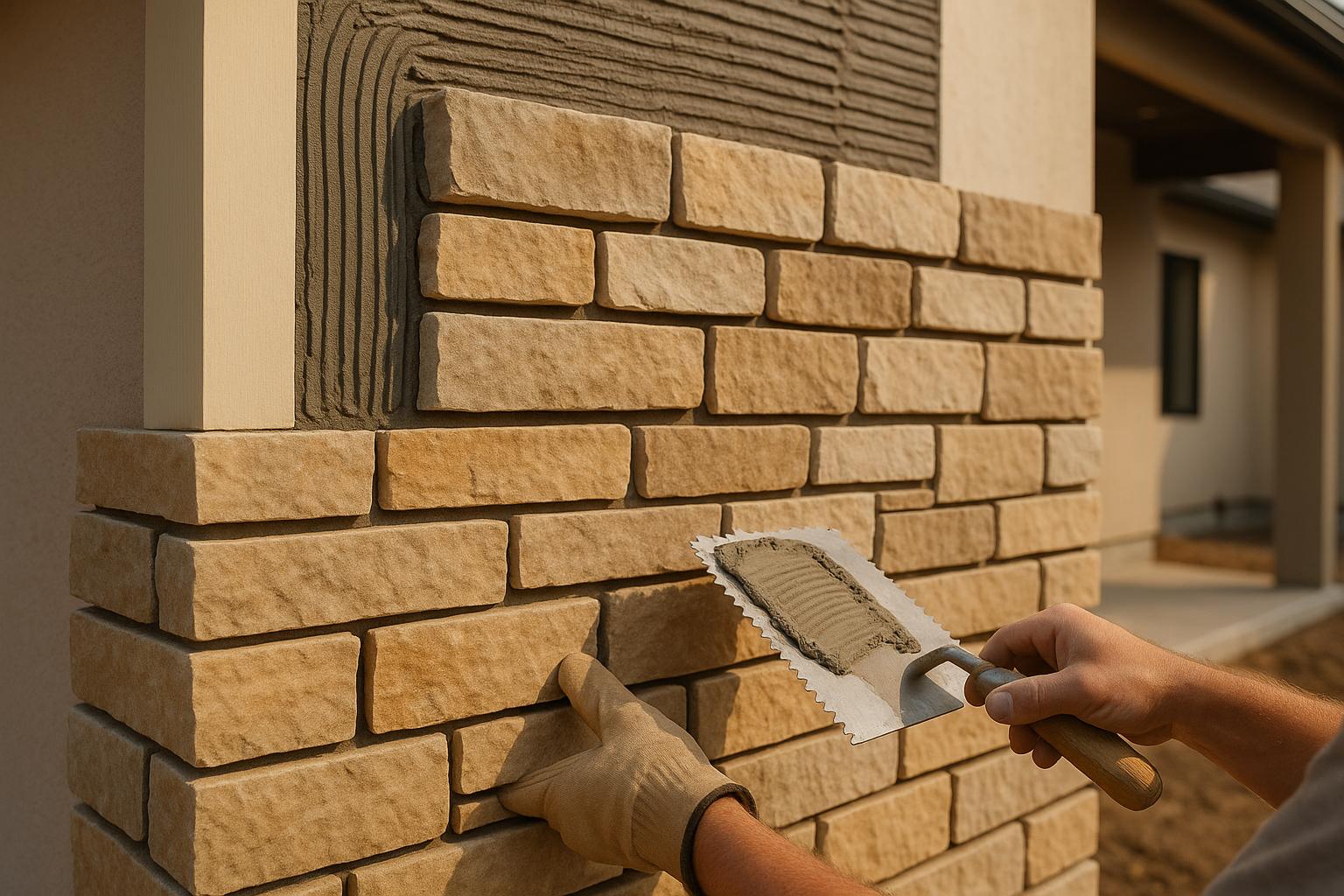
Stone veneer can add elegance and value to your home, but improper installation often leads to expensive repairs. Here are the top five mistakes to avoid:
- Skipping Surface Preparation: Failing to clean and stabilize the substrate can lead to poor adhesion, water damage, and structural issues. Always use cement board and moisture barriers.
- Using the Wrong Mortar or Adhesive: Standard adhesives lack the strength needed for stone veneer. Use professional-grade veneer mortar with at least 500 psi bonding strength.
- Poor Spacing and Alignment: Misaligned stones and uneven gaps weaken the structure and ruin the aesthetic. Plan your layout carefully and maintain consistent joint widths.
- Incorrect Stone Cutting: Sloppy cuts create gaps, misaligned seams, and structural vulnerabilities. Use proper tools and measure accurately.
- Ignoring Waterproofing and Flashing: Skipping these steps allows water to seep behind the veneer, causing mold, wood rot, and eventual failure. Apply air and water barriers and install flashing correctly.
Key takeaway: Proper preparation, materials, and attention to detail are critical for a durable, visually appealing stone veneer installation. Hiring professionals ensures the job is done right the first time.
Preventing a Stone Veneer DISASTER (What They’re NOT Telling You…)
1. Skipping Surface Preparation
Overlooking surface preparation can undermine the entire stone veneer installation. Hurrying through this step often leads to problems that may not show up immediately but can cause significant issues down the line. The substrate – the surface where the veneer is installed – needs to be clean, stable, and moisture-resistant before any work begins. Attaching veneer to painted drywall, loose concrete, or untreated wood practically guarantees poor adhesion and eventual failure. This step lays the groundwork for everything that follows in the installation process.
Impact on Structural Integrity
An unstable or dirty surface prevents the mortar or adhesive from forming a strong bond. This weak connection can lead to gaps where moisture seeps in, damaging the underlying structure over time. Water infiltration can also trigger mold growth, creating even more extensive problems. In the worst cases, this can lead to structural failure, exposing the wall to ongoing water damage.
Applying veneer directly to plywood is especially problematic. If water penetrates through the stone and reaches the plywood, the wood expands and contracts, causing the veneer to detach. This often results in the need for a full-scale reinstallation.
Aesthetic Problems
Skipping proper surface preparation doesn’t just compromise the structure – it also affects the veneer’s appearance. Without a solid base, the veneer may not sit evenly, leaving visible gaps and seams that ruin its natural look. Over time, as the veneer shifts or cracks, the finish appears sloppy and unprofessional, reducing the property’s overall appeal.
Long-Term Durability
A properly prepared surface is key to a lasting installation. For exterior projects, this means installing cement board over plywood, sealing all joints and screw holes, and applying two coats of an air and water barrier at 15 to 22 mils per coat. Without these precautions, moisture-related failures can shorten the life of the installation to just a few years. By contrast, a well-prepared system can last for decades with minimal upkeep.
Increased Costs and Complexity
While skipping surface preparation might seem like a shortcut, it often leads to higher labor costs and expensive repairs. An unprepared substrate can result in a failed installation, requiring time-consuming and costly rework. Some installers may try to compensate by using extra mortar or adhesive, but this usually makes things worse, creating further inconsistencies. Spending 10–15% of the project’s budget on thorough surface preparation can save you from repair costs that could exceed the original installation expense by 50–100% or more.
Before starting the installation, make sure the surface is clean, free of debris, and structurally sound. Repair any cracks or imperfections, and follow local building codes to install moisture barriers appropriate for the climate. These steps aren’t optional – they’re critical for ensuring a durable, professional-looking stone veneer installation.
2. Using the Wrong Mortar or Adhesive
Picking the right bonding agent is absolutely crucial when working with stone veneer. Unfortunately, many homeowners and even less-experienced installers often grab the first mortar or adhesive they find. Standard tile adhesive and Type S mortar are two of the most common mistakes in this area[1][2].
Here’s why: standard tile adhesive is designed for lightweight materials like ceramic or porcelain tiles. It simply can’t handle the weight and pressure of stone veneer. Similarly, Type S mortar, while fine for some general masonry work, doesn’t have the bonding power needed for stone veneer. To give you an idea, professional-grade stone veneer mortars provide around 500 psi of bonding strength – this is what’s required to keep heavier stones firmly attached to vertical surfaces[2]. Without this level of strength, gravity will eventually win, causing the veneer to fail over time, regardless of how carefully it was installed.
Another common misstep is using pointing mortar as an adhesive[2]. This is a recipe for disaster because pointing mortar isn’t designed to bond stone to a surface. Even when the right product is chosen, improper mixing can weaken the bond[1]. For the mortar to perform as expected, it needs to be mixed to a uniform consistency, following the manufacturer’s instructions to the letter. Skipping this step compromises the veneer’s ability to handle the constant pull of gravity.
Impact on Structural Integrity
Using the wrong bonding agent doesn’t usually result in an immediate failure. Instead, the problem unfolds gradually. Over time, the bond weakens under the relentless pull of gravity, especially on vertical surfaces[1]. These surfaces face constant downward pressure, so the adhesive has to be strong enough to endure this stress for years.
As the bond deteriorates, cracks start forming in the mortar joints, and individual stones begin to shift. Eventually, stones loosen and may even fall off, creating a serious safety risk[1]. Once one area fails, the instability spreads, threatening the entire installation. At this point, the only fix is to remove and reinstall the veneer, which can cost two to three times what the original project did[1]. This kind of failure doesn’t just affect the structure – it also impacts the veneer’s alignment and overall appearance.
Aesthetic Consequences
Beyond structural problems, using the wrong mortar leads to visible issues that can ruin the veneer’s look. Weak adhesion causes stones to settle unevenly, leaving gaps, misaligned pieces, and a finish that screams “amateur”[1].
Moisture can also seep through weak mortar joints, creating even more problems. For example, you might notice white, powdery streaks called efflorescence on the stone surface. This happens when water carries minerals through the mortar[2]. Water stains can also appear on both the veneer and the interior walls behind it[1]. These signs of failure not only look bad but will worsen over time. Choosing the right mortar from the start helps avoid these headaches.
Long-Term Durability
The right stone veneer mortar can last for decades, while weak adhesives might fail in just a few years[1]. This issue is even worse in areas with extreme weather. In regions with freeze-thaw cycles, water can seep into weak mortar, freeze, and expand, breaking the bond[1]. Coastal or humid climates bring constant moisture exposure, which accelerates the deterioration of inadequate adhesives[1].
Temperature changes throughout the year also cause stone and mortar to expand and contract at different rates. Professional-grade mortars are designed to handle this movement, thanks to their flexibility[1]. On the other hand, weaker mortars crack under this stress, leading to a cycle of damage that only gets worse. Using the right mortar protects your installation from these environmental challenges.
Installation Complexity
Choosing the wrong adhesive doesn’t just create long-term problems – it also makes the installation process unnecessarily difficult. Weak mortars often lack the initial grab strength needed to hold stones in place, causing them to slide down the wall before the mortar sets[1]. To counter this, installers might apply thicker layers of mortar, which makes it nearly impossible to keep the joint widths consistent. The result? A messy, unprofessional look.
If the mortar is mixed incorrectly – say, with the wrong water ratio – it becomes even harder to position and align the stones properly[1]. This can lead to wasted time and frustration. Some installers try to compensate by using extra mortar or mechanical fasteners, but these fixes rarely solve the core issue.
The solution? Use products specifically labeled as "stone veneer mortar" or "masonry veneer mortar" and make sure they have a psi rating of 500 or higher[1][2]. Products like Laticrete Hi-Bond Masonry Veneer Mortar are excellent options because they include bonding agents and only require water for mixing[2]. Always double-check product labels to ensure you’re using bonding mortar for adhesion and pointing mortar solely for joint filling – these serve entirely different purposes[2].
Pay close attention to mixing instructions as well. Follow the manufacturer’s water ratios exactly and mix thoroughly to achieve a uniform consistency[1]. For exterior installations or areas prone to moisture, choose mortars with added water resistance. Taking the time to select and mix the right mortar ensures your stone veneer installation will be both durable and visually appealing.
3. Poor Spacing and Alignment
Getting the spacing and alignment right might seem like a small detail, but it’s actually one of the most important parts of installing stone veneer. Misaligned stones don’t just look bad – they can also weaken the structure over time[5]. Many first-time DIY installers underestimate how much accuracy and planning this process requires.
Think of stone veneer installation like putting together a puzzle, where every piece needs to fit perfectly[6]. Each stone has its own size and shape, so without careful planning and consistent execution, you end up with gaps, uneven lines, and a design that feels more like a patchwork than a seamless finish. From the type of stone to the spacing between each piece, every factor plays a role in ensuring there are no visible gaps or alignment issues in the final product[6].
Aesthetic Consequences
Poor alignment and spacing can make a project look amateurish. Uneven gaps and inconsistent joint widths draw attention to imperfections, overshadowing the natural beauty of the stone[8]. Patterns that don’t flow properly can look artificial, robbing the stone of its natural charm and texture[1].
When stones are misaligned, seams become obvious, and overlapping stones too much creates visible, awkward lines. On the other hand, stacking stones directly on top of each other – unless the design specifically calls for it – produces rigid, unnatural patterns that disrupt the organic flow[5].
Stone veneer is a major investment meant to enhance a property’s appeal and value[8]. Unfortunately, poor spacing and alignment can have the opposite effect, making the installation look unprofessional and even reducing the property’s perceived value. Visitors and potential buyers will quickly notice these flaws, which suggest a lack of craftsmanship.
Impact on Structural Integrity
Beyond aesthetics, improper spacing can weaken the structure over time. Uneven mortar joints create stress points where water can seep in[8][1]. This trapped water can freeze and thaw, leading to cracks in both the mortar and the stone as temperatures fluctuate[1]. If expansion joints are overlooked, the veneer won’t have room to adjust to natural movements, increasing the likelihood of long-term damage.
Moisture buildup in poorly aligned joints can speed up deterioration, and gaps in grout can collect dirt and water, ruining the design’s clean look[1]. This highlights why precise spacing isn’t just about appearances – it’s critical for durability.
Long-Term Durability
The way joints are spaced and aligned directly impacts how well the installation holds up over time[5]. Water infiltration through uneven joints can lead to freeze-thaw damage, eventually causing the stones to fail. Professional installers follow industry standards, ensuring proper expansion spaces and applying grout evenly for a polished, durable finish[1]. These small details make the difference between a veneer that lasts decades and one that starts falling apart in just a few years.
When these fundamentals are ignored, the veneer system can’t handle natural stresses like moisture exposure and temperature changes. This is why careful planning and precise execution are non-negotiable for a long-lasting installation[8].
Installation Complexity
Proper spacing and alignment take more skill than many homeowners expect. Without tools like levels and guides, even small misalignments can snowball into a messy, uneven look[5]. Professional installers continuously check alignment as they work, using levels to maintain horizontal lines and plumb lines to keep vertical stones in place[5].
Corners are especially tricky and often reveal the difference between professional and DIY work[3]. Cutting cornerstones at a 45-degree angle ensures clean connections between panels[3]. While a more “natural” look might sound appealing, uneven corners can ruin the overall appearance[3].
Before applying mortar, it’s crucial to plan out the design. Laying out the stones beforehand helps you visualize the final result[8]. Using spacers or marking guidelines on the wall ensures consistent joint widths and prevents spacing issues across the surface[8].
Trimming thin stone veneer provides flexibility for working around architectural features like windows or outlets[2]. Back cutting stones during trimming creates a natural edge that blends seamlessly into the design[2]. However, overcutting or poor technique can result in gaps or broken pieces that disrupt the alignment[8].
It’s also a good idea to step back periodically and check the alignment from a distance. Close-up work can make it hard to spot overall issues[8]. Rushing through the process often leads to sloppy mortar joints and uneven placement, so taking a slow, steady approach is key to achieving precise spacing and alignment[8].
sbb-itb-843f8be
4. Incorrect Stone Cutting and Trimming
When working with thin stone veneer, it’s rare for pieces to fit perfectly right out of the box. Trimming is an unavoidable part of the process, but many DIY installers don’t realize just how much skill and precision it takes to get it right. When cuts are poorly executed, the entire project can suffer – not just in appearance, but also in durability.
Getting the cuts right means using the proper tools, taking accurate measurements, and understanding the design. Without these, you’ll end up with gaps and misaligned seams that make the finished work look amateurish. Precision cutting is the foundation for a polished, professional look, as we’ll explore further.
Aesthetic Consequences
Sloppy cutting leads to visible gaps and awkward seams that not only catch the eye but also create spots where dirt and moisture can build up over time. These flaws don’t just hurt the look of the project – they can also worsen the structural issues discussed earlier. Unevenly cut corners, for example, scream inexperience. Professionals often cut cornerstones at 45-degree angles to create clean, seamless connections. DIY attempts, on the other hand, often result in mismatched angles and clunky transitions.
Trimming mistakes can also ruin the natural look that veneer is supposed to provide. Veneer is designed to showcase a mix of sizes, colors, and textures that flow together naturally. But inaccurate cuts can create repetitive patterns and uneven spacing that look artificial. Techniques like back cutting, which softens the edges for a more organic appearance, are often skipped in DIY projects, leaving harsh, unnatural edges that stand out.
Impact on Structural Integrity
Beyond the aesthetic issues, poorly trimmed stones can compromise the structure itself. Gaps from improper cuts allow water to seep in, which can weaken the substrate over time. When water gets behind the veneer system due to uneven spacing or poorly cut pieces, it can reach unprepared substrates and cause significant damage[2][7].
Long-Term Durability
Consistency in trimming and spacing plays a key role in ensuring the veneer system can handle natural expansion and contraction. Poorly spaced or misaligned stones concentrate stress in certain areas, leading to cracking and eventual separation over time[1]. Professional installers take the time to make precise cuts and use specialized tools to avoid these issues, while DIY projects often result in forced fits and excessive gaps that undermine the veneer’s durability.
This precision is especially important around architectural features like windows and outlets. Stones cut too large can press against these features, creating stress points, while stones cut too small leave gaps that allow water to infiltrate[4]. The thin profile of veneer makes it possible to customize fits around such areas, but only when measurements are accurate and cuts are executed carefully.
Installation Complexity
Arranging stones of different sizes isn’t just about making them fit – it’s about creating an intentional, organic layout[1]. This takes planning and skill. Just as surface preparation and mortar selection are critical, precise cutting is essential for a successful installation. Without a dry-fit layout to plan the arrangement and identify necessary cuts, DIYers often end up with disappointing results. A dry-fit layout not only helps with planning but also saves time and materials by reducing errors.
The saying “measure twice, cut once” couldn’t be more relevant here[6]. Taking the time to double-check measurements can prevent wasted materials and delays caused by reordering veneer. Factors like stone size, cut type, and spacing need to be considered to achieve a clean, gap-free finish.
Planning for trimming should begin during the design phase, especially around areas like windows, outlets, and other penetrations. This early planning ensures proper installation of flashing and waterproofing, preventing moisture from damaging the wall cavity. In the end, the difference between a professional installation and a DIY job often comes down to the corners and edges. Precise cutting can elevate a project from passable to truly polished.
5. Ignoring Waterproofing and Flashing
Waterproofing and flashing might not grab attention during installation, but they are absolutely crucial for the durability of a stone veneer. Unfortunately, many DIY enthusiasts either skip these steps or rush through them, often resulting in expensive repairs down the line. Without proper moisture control, even the most stunning veneer installation can fail due to water damage. Over time, water can penetrate the veneer, wreaking havoc on the substrate beneath.
While stone veneer undeniably enhances a structure’s appearance, it doesn’t make it watertight. Water can seep through joints and behind the stones, eventually reaching the substrate. This can lead to serious issues like mold growth, wood rot, insect infestations, or, in extreme cases, structural failure. For instance, installing stone veneer directly over plywood without waterproofing can cause the plywood to swell and lose adhesion, creating a host of problems.
To prevent these issues, waterproofing should always be the first step in the installation process. Experts recommend applying a high-quality air and water barrier product, such as Laticrete MVIS Air and Water Barrier, in two coats with a thickness of 15 to 22 mils per coat. This creates a reliable moisture barrier[2]. Adding cement board over plywood before applying the veneer offers another layer of protection, especially when paired with proper waterproofing.
Flashing is just as important in managing moisture. It’s designed to catch and redirect water that might seep behind the stone, particularly along lower edges or ledges. However, for flashing to work effectively, it has to be installed correctly. According to ASTM C1780 standards, a bead of sealant should be applied along the underside of the flashing – a detail that’s often overlooked[4]. Special attention is also needed around areas like receptacle boxes, faucets, dryer vents, and windows or doors to ensure these vulnerable points are properly sealed and flashed.
Neglecting waterproofing and flashing can lead to problems like peeling, discoloration, and efflorescence. What might start as minor staining can quickly escalate into significant damage[3]. To keep the veneer system in good shape and protect the underlying structure, regular maintenance is key. This includes reapplying sealant periodically and inspecting flashing and drainage areas to catch potential issues early.
Conclusion
Installing stone veneer can dramatically enhance the look of a property – when done correctly. However, the five common mistakes discussed in this article – neglecting surface preparation, using unsuitable mortar, poor spacing and alignment, improper cutting, and skipping waterproofing – can turn a promising upgrade into a costly failure. These errors not only ruin the appearance but also jeopardize the structure’s integrity.
The consequences of poor installation often appear over time. As materials expand and contract, even small gaps can lead to serious moisture problems, including mold, wood rot, and structural damage. Water that seeps through improperly sealed joints can reach the substrate, causing efflorescence. Worse yet, moisture can cause plywood to swell, potentially leading to complete veneer failure.
The financial burden of repairing these issues often exceeds the original installation cost, underscoring why hiring professionals is so important.
Experienced installers bring the expertise needed to avoid these pitfalls. They use high-bond mortars specifically designed for stone veneer and prepare substrates with cement backer boards and moisture barriers. Their precision with 45-degree cuts, proper expansion joints, and seamless trimming ensures a flawless finish. Professionals also adhere to industry standards like ASTM C1780, applying air and water barriers in two coats, ensuring proper flashing and sealant placement, and addressing vulnerable areas like receptacle boxes, vents, and doors. This meticulous approach prevents the moisture-related failures that often plague DIY efforts.
For homeowners in central Maryland, professional installation is even more critical due to the region’s humid climate and frequent moisture challenges. Proper waterproofing and drainage are essential to protect against these conditions. Serving Howard County, Montgomery County, Carroll County, Frederick County, Prince George’s County, and Baltimore County, Pro Landscapes MD exemplifies the level of expertise required. With years of experience and specialized education in landscape design and horticulture, their team ensures every project meets the highest standards of quality and durability.
Beyond stone veneer installation, Pro Landscapes MD offers solutions for Maryland’s moisture challenges, such as French drains, stormwater management, and proper grading. These services complement their hardscaping work, ensuring that installations remain both beautiful and functional for years to come.
One homeowner shared their experience:
They came through with everything promised. I love the stacked stones we placed around our trees and flowerbed.
This kind of feedback highlights the long-term satisfaction and performance that professional installation delivers – not just in appearance but in overall durability.
Avoiding these common mistakes ensures your property retains both its aesthetic appeal and structural integrity. While DIY may work for smaller projects, stone veneer installation demands technical expertise and attention to detail. From proper surface preparation to precise installation and thorough waterproofing, professional knowledge is essential. By investing in expert installation, you guarantee a lasting, beautiful finish that stands the test of time.
FAQs
What are the risks of not using professional-grade mortar when installing stone veneer?
Using low-quality mortar for stone veneer installation can create serious problems down the line. Mortar that doesn’t have enough bonding strength can cause the stones to loosen or even fall, which not only ruins the look of your project but also creates safety risks.
On top of that, weak mortar often can’t handle changes in weather. This can result in cracks, water seeping in, and even structural damage. To ensure a long-lasting and polished result, it’s crucial to choose top-tier materials and follow proper installation methods.
What happens if stone veneer installations lack proper waterproofing and flashing, especially in areas with high moisture levels?
When stone veneer installations lack proper waterproofing and flashing, the consequences can be severe, especially in areas with high humidity or frequent rain. Water can infiltrate behind the veneer, leading to structural damage, encouraging mold growth, and gradually breaking down the adhesive that holds the veneer in place. Over time, this not only compromises the integrity of the installation but also shortens its lifespan.
To avoid these problems and extend the life of your stone veneer, it’s essential to install effective waterproof barriers and flashing from the start. This is particularly important in regions where moisture is a constant challenge. Proper preparation during the installation process can save you from expensive repairs down the line.
Why is proper surface preparation essential for stone veneer installation, and what steps help ensure long-lasting results?
Proper surface preparation is essential when installing stone veneer, as it lays the groundwork for a stable and long-lasting application. Skipping this step can lead to problems like cracking, detachment, or even water damage, which can affect both the durability and appearance of the veneer.
For the best results, the surface must be clean, dry, and structurally sound. This involves clearing away dirt, grease, or any loose materials. In some cases, applying a weather-resistant barrier may be necessary to protect against moisture. Additionally, using a metal lath or a scratch coat provides a reliable base that helps the stone veneer adhere securely. These steps are key to achieving a smooth, durable, and visually appealing finish.
Chat with Us