









- bhavya gada
- No Comments
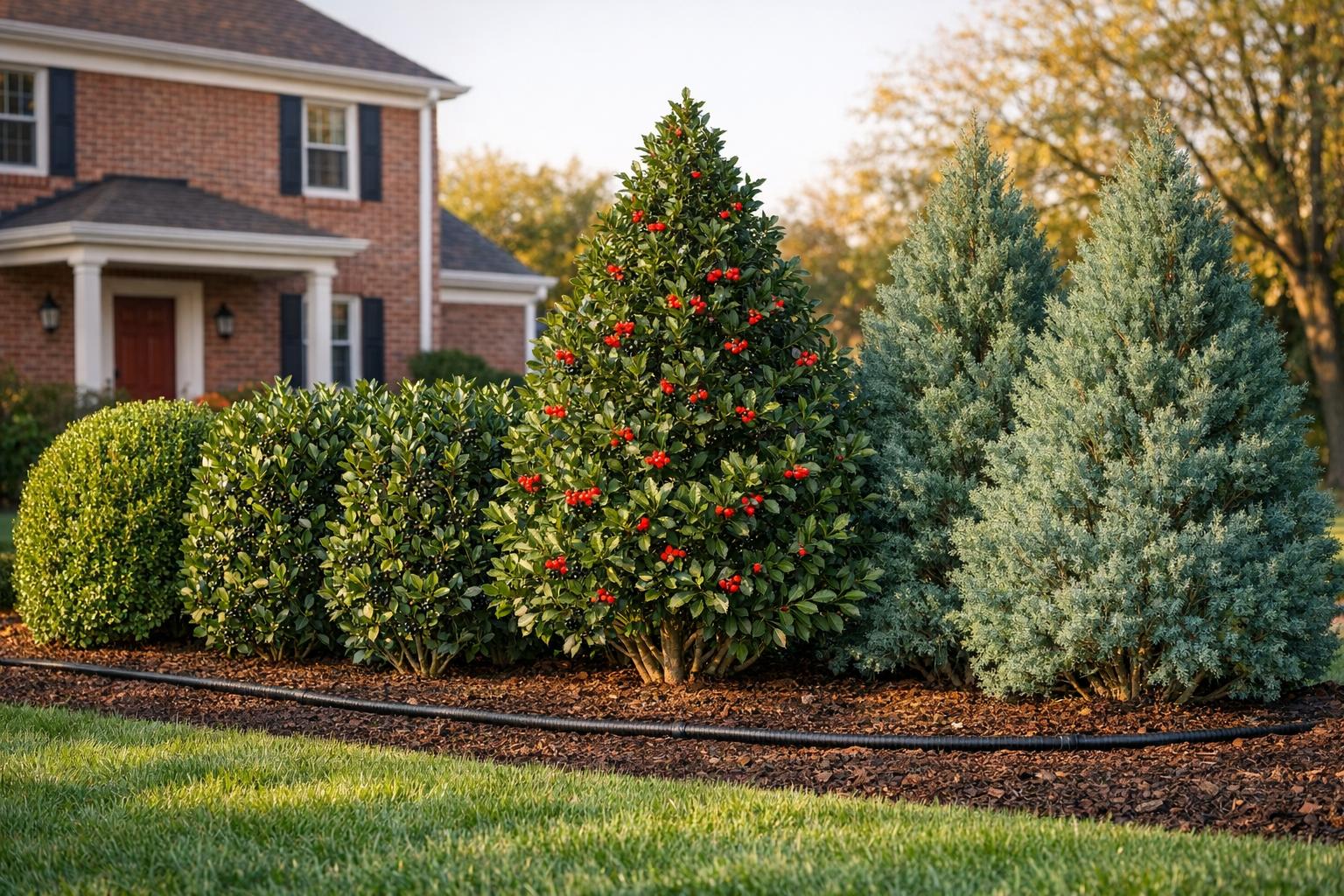
Evergreen hedges are a top choice for Maryland homeowners seeking year-round privacy and low-maintenance landscaping. Maryland’s climate (USDA zones 6b–8a) supports a variety of evergreens, including native and non-native species, that thrive in the region’s hot summers and cold winters. Popular options include Boxwood, Inkberry Holly, American Holly, and Eastern Red Cedar. Each offers unique benefits, from compact growth to natural windbreaks.
Key Points:
- Boxwood: Slow-growing, compact, ideal for formal hedges.
- Inkberry Holly: Native, glossy foliage, suitable for sun to shade.
- American Holly: Native, produces red berries, great for taller screens.
- Eastern Red Cedar: Fast-growing, hardy, excellent for natural privacy.
Planting Tips:
- Plant in early fall for strong root establishment.
- Ensure at least 6 hours of sunlight and proper soil drainage.
- Space plants to allow air circulation and prevent disease.
- Water new plants consistently, especially in sandy soils.
For a resilient hedge, mix species to reduce risks from pests and weather changes. Proper care, including pruning and soil preparation, ensures long-lasting beauty and functionality.
Delmarva Gardens || Best Hedges To Use On Your Property
Benefits of Evergreen Hedges in Maryland
Evergreen hedges provide unmatched privacy throughout the year, making them a popular choice for Maryland homeowners. Unlike deciduous plants that lose their leaves in winter, evergreens keep their dense foliage, ensuring a consistent barrier against prying eyes and noisy streets. This year-round coverage eliminates the hassle of seasonal replanting or cleanup, giving you one less thing to worry about.
But privacy isn’t the only perk. Evergreen hedges also act as natural windbreaks and noise reducers. Their thick foliage helps shield your property from harsh winds, heavy rain, and even drought conditions, while also muffling the sounds of nearby traffic – a definite bonus for homes in busier areas.
Maintenance is another win for evergreens. Many varieties suited to Maryland, like American Holly, grow slowly, which means less frequent pruning. While faster-growing options like Leyland Cypress may seem appealing, they often need replacement after about 20 years. A carefully chosen evergreen hedge, however, can last for decades with minimal care.
Interestingly, southern evergreen varieties are becoming more common in Maryland due to the state’s warming winters. These hardy plants thrive in both the region’s hot summers and cold winters, making them a smart choice for homeowners looking for lasting privacy and protection without constant upkeep.
Best Evergreen Hedge Varieties for Maryland
Maryland’s climate offers the perfect conditions for a variety of evergreen hedges, even though native options are relatively limited. Experts recommend planting a mix of species rather than relying on a single type, as this approach helps guard against pests and diseases. Miri from the University of Maryland Extension emphasizes:
"Maryland does not have many evergreen shrubs that are native… A mixed-species hedge is always best regardless."[1]
When choosing evergreen hedges, consider factors like sunlight (aim for at least 6 hours of direct light), soil drainage, and local deer activity. These considerations help ensure your hedges thrive while minimizing risks like pest outbreaks in monocultures.[2]
Here are four evergreen varieties that perform particularly well in Maryland gardens.
Boxwood
Boxwood is a timeless favorite for formal hedges, thanks to its compact growth habit and shade tolerance. It’s easy to maintain, responding well to pruning while retaining its neat, manicured look. With a slow growth rate of about 3 to 4 inches per year, boxwood requires less frequent trimming. This versatile shrub works in both full sun and partial shade, and its dense, small leaves make it an excellent choice for privacy screens, even at lower heights.
Inkberry Holly
Inkberry Holly (Ilex glabra) is a native option with small, glossy foliage similar to boxwood. It thrives in full sun to dappled shade and handles a variety of soil conditions, including sandy soils common in Maryland’s coastal regions.[7] However, mature Inkberry plants may lose some lower foliage over time. To maintain a full, lush appearance, consider planting native perennials or ferns at the base.[5]
American Holly
American Holly (Ilex opaca) brings height, color, and seasonal interest to landscapes. This native species is particularly suited to Maryland’s wet soils and produces vibrant red berries that attract birds in winter. Though it grows slowly, it prefers sun to partial shade and provides excellent year-round screening. Keep in mind that standard American Hollies can grow to tree size, so for hedges, opt for dwarf cultivars like "Maryland Dwarf", which typically stay between 4 and 5 feet tall.[5]
Eastern Red Cedar
Eastern Red Cedar is a fast-growing, tough evergreen that excels in windy or coastal areas.[7] This native juniper works well as a natural windbreak and requires minimal upkeep. The "Gray Owl" cultivar is particularly appealing, with its blue-gray foliage and a wider, lower growth habit compared to the standard upright form.[7] Thriving in full sun, Eastern Red Cedar tolerates poor, dry soils and quickly creates dense privacy screens. Its informal, natural growth pattern makes it a great fit for more relaxed, naturalistic landscapes.
sbb-itb-843f8be
Comparison of Evergreen Hedge Varieties
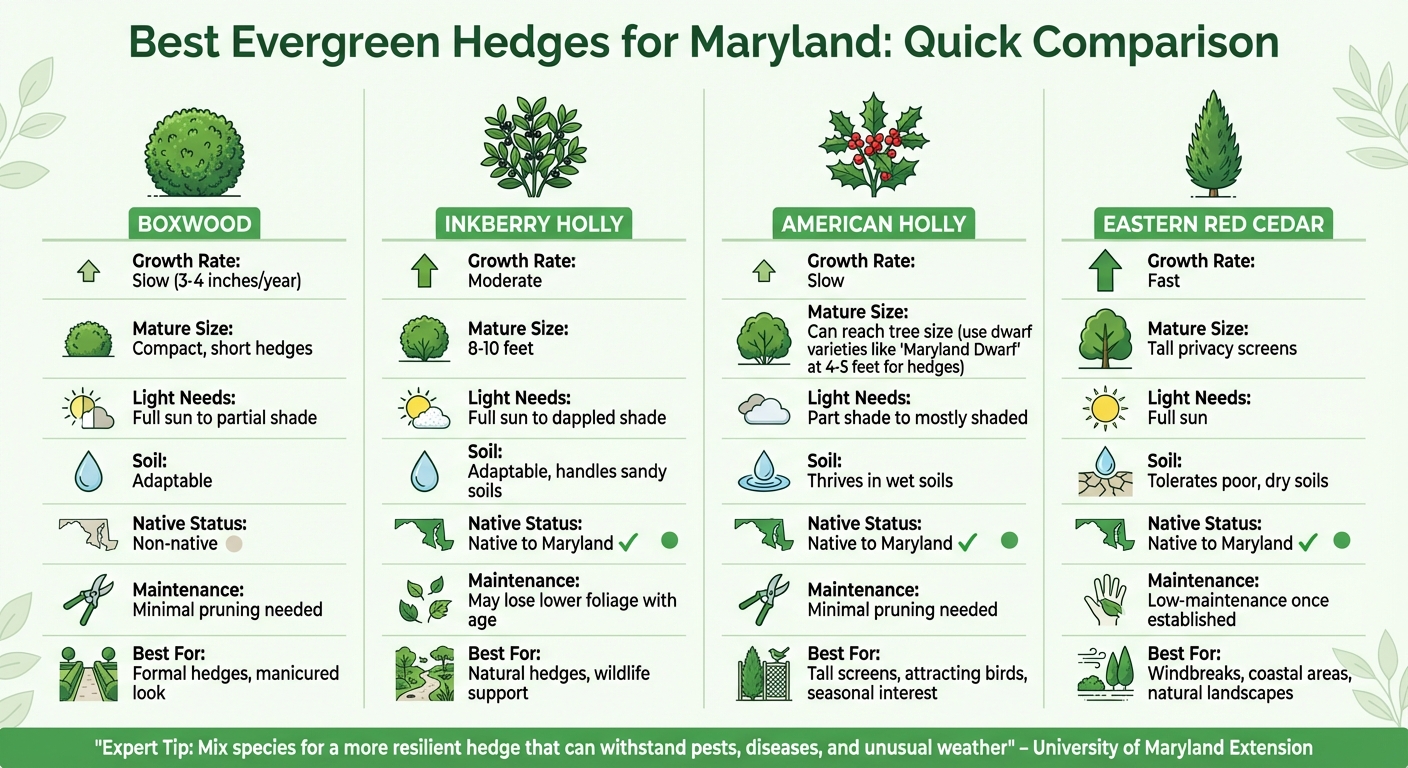
Comparison of 4 Best Evergreen Hedges for Maryland: Growth Rate, Size, Light & Maintenance
When choosing an evergreen hedge for your Maryland property, it’s important to understand the unique traits of each variety. Factors like growth rate, mature size, light and soil needs, and maintenance requirements play a big role in making the right choice.
Growth Rates:
Boxwood grows slowly and steadily, making it ideal for formal hedges. Inkberry Holly and Eastern Red Cedar have moderate growth rates, though this can vary depending on growing conditions and the specific cultivar. These growth differences impact how large the hedge will get, its light requirements, and the level of care it will need.
Mature Size:
American Holly can grow into a mid-sized tree, but dwarf varieties like ‘Maryland Dwarf’ – which only reaches 4 to 5 feet – are better suited for hedges[5]. Inkberry Holly typically stays under 8 to 10 feet, making it a great shrub option for hedging[5]. Eastern Red Cedar grows tall, offering a natural privacy screen[4]. On the other hand, Boxwood remains compact and is perfect for shorter, well-manicured hedges.
Light and Soil Preferences:
American Holly thrives in part shade to mostly shaded areas, giving it flexibility in different settings. Inkberry Holly does well in dappled shade to full sun, though too much deep shade can cause it to become leggy. Eastern Red Cedar prefers full sun and is hardy enough to handle poor, dry soils[4]. Boxwood is adaptable, performing well in both sunny and shaded spots. While American Holly, Inkberry Holly, and Eastern Red Cedar are native to Maryland and support local wildlife, Boxwood is a more traditional, non-native choice. These preferences also influence how much care each variety will need over time.
Maintenance Needs:
Boxwood and American Holly require minimal pruning because of their slow growth. However, Inkberry Holly may lose lower foliage as it ages, resulting in a leggy appearance that pruning cannot fix[5]. Eastern Red Cedar, once established, is low-maintenance and holds its robust shape with little effort. As Miri from the University of Maryland Extension suggests:
"Where possible, we encourage gardeners to mix species when planting a row or border so the entire planting is more resilient in the face of a possible future pest or disease outbreak."[5]
Planting and Care Tips for Evergreen Hedges
Plant evergreen hedges in Maryland during early fall. This timing gives the roots a chance to establish before winter sets in, providing a solid base for growth when spring arrives. Before you start planting, evaluate your site carefully. Make sure it gets at least 6 hours of direct sunlight and check whether the soil is wet, well-draining, or dry. These details will help you choose the right species and care plan[1].
Give your plants enough space. Check the mature width of your hedge variety and space each plant accordingly. Crowding them too closely can restrict air circulation, which may lead to diseases.
Watering is crucial for new evergreens. During the first summer, they’ll need about 5 gallons of water per plant daily. If you’re planting between late spring and early September, consider using a drip irrigation system with a digital timer to ensure consistent watering[10]. For areas with sandy loam soil, which drains quickly – common near the Chesapeake Bay and Maryland rivers – be extra vigilant during heat waves, as these soils dry out faster[10].
These steps for spacing and watering will help your hedges handle Maryland’s seasonal challenges.
Seasonal Considerations
Maryland’s weather can be unpredictable, so plan accordingly. Some evergreens may brown during sudden winter temperature drops[2], while others might suffer leaf damage or branch tip dieback during especially harsh cold spells[5].
Hold off on pruning from August through late October. Pruning during this time can encourage new growth that won’t harden before winter frost arrives[8][9]. The best time to prune most evergreens is late winter or early spring, just before new growth starts[8][10].
Winter protection goes beyond pruning. For formal hedges, shaping the top into a slightly rounded or pointed form can help shed heavy snow, preventing branch breakage[8]. Add a 2 to 4-inch layer of organic mulch around the base of your hedge, but keep it away from the trunk to avoid rot[10]. If deer are a concern in your area, opt for resistant species like Inkberry Holly, Wax Myrtle, or Southern Bayberry, or plan to use protective measures[6].
Once seasonal care is under control, focus on preparing the soil to ensure your hedges thrive.
Soil Preparation and Fertilization
Test your soil’s drainage before planting. Many evergreen species prefer well-draining soil to avoid root problems[1][3]. If your soil tends to stay wet, amend it with organic matter or choose moisture-tolerant varieties like Inkberry Holly. For areas near invasive plants like Giant Cane (bamboo), install a 24-inch root barrier in a trench to keep them from encroaching on your hedge[6].
Fertilize in early spring with a balanced, slow-release formula. Look for a product that’s low in phosphorus and potassium to reduce nutrient runoff into the Chesapeake Bay[10]. This approach encourages healthy growth while being mindful of the environment.
Plan for natural changes in some species. Hedges like Inkberry Holly and Mountain Laurel often lose their lower foliage as they age. To maintain an attractive look, prepare the soil in front of these hedges for additional plantings, such as native ferns or perennials. This layered approach not only hides exposed stems but also adds visual interest and resilience to your landscape[5].
Choosing the Right Evergreen Hedge for Your Property
Start by assessing your site conditions. Does your property get at least 6 hours of direct sunlight in the summer, or does it fall into dappled or deep shade? How well does your soil drain – does water linger after a rainstorm, or does it dry out quickly? Also, take note of any deer activity in the area, as this can influence plant selection.
Select plants based on their mature size to avoid constant pruning. For instance, while standard American Hollies can grow much taller than the typical 8–10-foot privacy screen, dwarf varieties like "Maryland Dwarf" are designed to stay more compact. Starting with the right size plant will save you from the hassle of ongoing maintenance.
Consider mixing species for a more resilient hedge. Miri, from the University of Maryland Extension’s Home and Garden Information Center, emphasizes this point:
"Where possible, we encourage gardeners to mix species when planting a row or border so the entire planting is more resilient in the face of a possible future pest or disease outbreak or damaged by unusual weather" [5].
A mixed-species hedge acts as a safeguard – if one type of plant faces issues, the others can still thrive, maintaining your privacy and aesthetic.
These initial steps lay the groundwork, but professional advice can make all the difference. Pro Landscapes MD offers expert services in hedge selection, planting, and care across central Maryland. Their team of horticulturists evaluates your property, recommends the best options, and ensures proper installation for a hedge that stands the test of time.
FAQs
What are the top evergreen hedges for privacy in Maryland’s climate?
For privacy that lasts all year in Maryland, consider planting American Holly, Boxwood, or Arborvitae. These evergreens are well-suited to Maryland’s climate and offer thick foliage that creates a reliable natural screen.
If you prefer native plants, Witchhazel and Blackhaw Viburnum are fantastic options. They not only integrate beautifully with the local surroundings but also require less upkeep. With the right care, these hedges can provide privacy while enhancing your yard’s natural charm.
How can I protect my evergreen hedges during Maryland winters?
To keep your evergreen hedges thriving during Maryland’s winters, a few thoughtful care steps can make all the difference. Start by adding a layer of mulch around the base of your plants. This helps insulate the roots and keeps moisture locked in. Resist the urge to fertilize late in the season – fertilizer can trigger new growth that’s too delicate to handle the cold. Instead, focus on making sure your hedges are well-watered before the ground freezes, which helps them handle the drier winter months.
When it comes to pruning, be gentle. Trim to maintain their shape and remove damaged branches, but avoid heavy pruning late in the fall. Placement matters too – planting your hedges in areas protected from strong winds can reduce winter stress significantly. If you’re looking for low-maintenance options, consider hardy native varieties like American holly or Eastern red cedar. These are well-suited to Maryland’s climate and can handle the winters with less fuss once they’re established.
What are the benefits of combining different evergreen hedge species in your landscape?
Mixing various species of evergreen hedges can bring several benefits to your landscape, from improved health to enhanced visual appeal. Incorporating a mix of species helps protect your hedge from pests or diseases, as each plant type has its own level of resistance and ability to thrive in Maryland’s climate. This diversity acts as a natural safeguard, reducing the risk of widespread issues.
Beyond the practical benefits, blending different evergreens adds variety in texture, color, and growth patterns, making your yard look more vibrant throughout the year. For example, combining fast-growing evergreens like American arborvitae with slower-growing plants such as boxwood or holly can provide both quick privacy and long-term beauty. Plus, this mix allows for more tailored care, as each species may have specific maintenance needs. The result? A landscape that’s not only functional but also visually engaging and easier to manage.
Chat with Us