









- bhavya gada
- No Comments
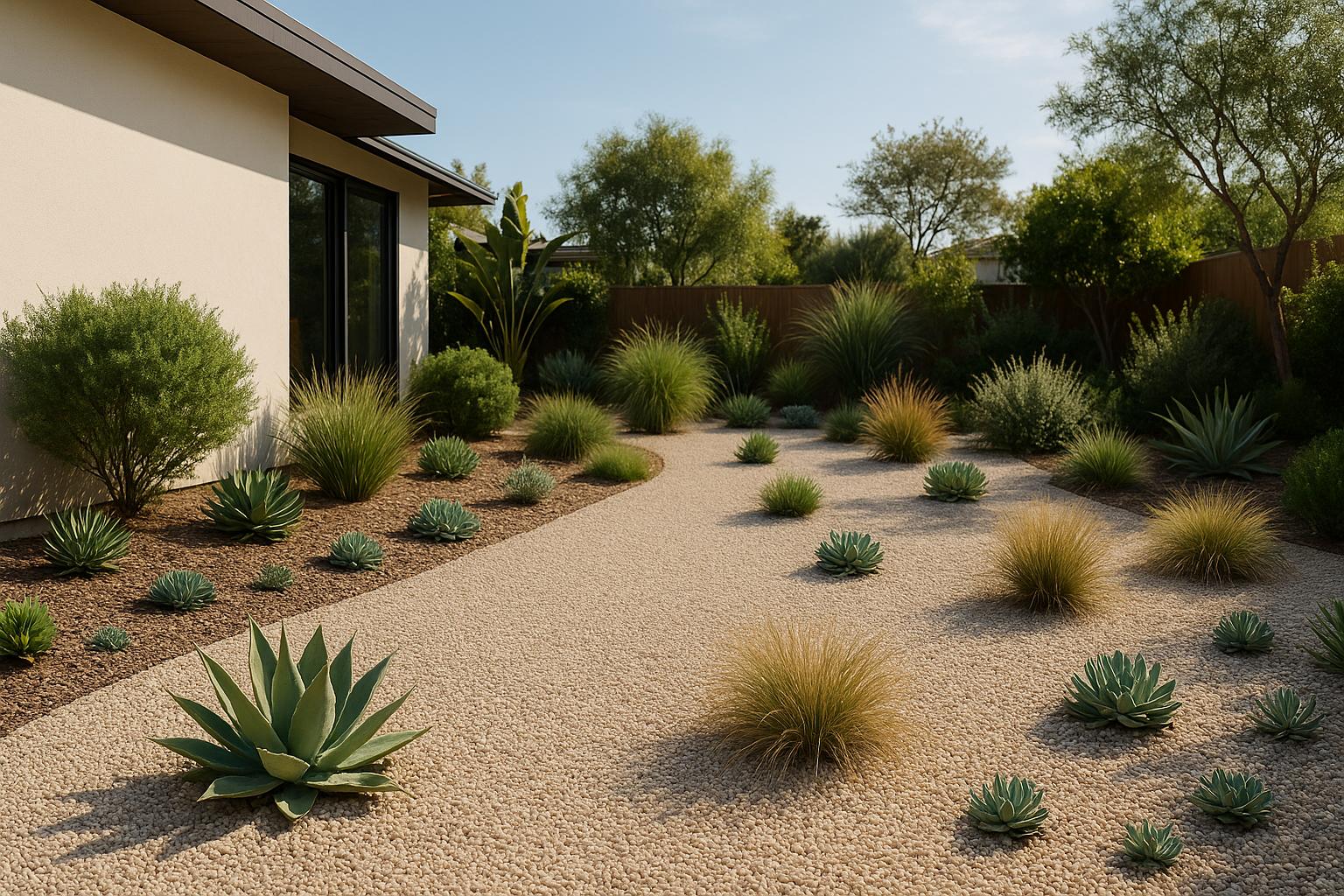
Gravel yards are a smart way to reduce water usage, cut maintenance, and manage rainwater effectively. If you’re tired of high water bills and constant lawn upkeep, switching to a gravel yard can save up to 20,000 gallons of water per 1,000 square feet annually. Plus, gravel allows rainwater to seep into the ground, reducing runoff and helping replenish groundwater.
Here’s why gravel yards make sense:
- Water Savings: No irrigation needed – rely on natural rainfall.
- Low Maintenance: No mowing, fertilizing, or chemical treatments.
- Improved Drainage: Prevents flooding and soil erosion.
- Cost Savings: Lower water bills and fewer maintenance expenses.
- Year-Round Appeal: Gravel stays consistent in appearance, even in dry spells.
Whether you’re battling Maryland‘s hot summers or clay-heavy soils, gravel yards are a practical solution for creating functional, attractive outdoor spaces while conserving resources.
What type of gravel to use in your yard and why. Plus How to Keep It Looking Great over time
Problems with Regular Grass Lawns
While traditional grass lawns might look visually pleasing, they come with steep costs – both financial and environmental – for Maryland homeowners. These lawns require a significant amount of water and constant maintenance to stay lush and green. Most grass types need frequent fertilization, herbicides, and pest control, making their upkeep a demanding task. Let’s take a closer look at the challenges these lawns pose in Maryland.
High Water Usage
Grass lawns are especially thirsty during Maryland’s hot, dry summers. Keeping them green and healthy means a lot of extra watering, which puts a strain on local water resources. This high demand for irrigation can quickly add up, both in terms of water consumption and utility bills.
Maintenance and Environmental Concerns
The upkeep of traditional lawns goes far beyond watering. They often depend on chemical treatments, which can lead to runoff that affects local water quality. On top of that, soil compaction from regular use can make it harder for water to absorb into the ground, exacerbating drainage issues. Add in the constant mowing and seasonal treatments, and it becomes clear how much time, effort, and money goes into maintaining these spaces. These challenges make alternatives like gravel yards, which require far less water and maintenance, an appealing option for many homeowners.
How Gravel Yards Save Water and Reduce Maintenance
Gravel yards are a smart alternative for those looking to cut back on water use and yard work. Unlike grass, which demands constant watering and upkeep, gravel landscapes thrive on natural rainfall. This makes them a low-maintenance and resource-efficient choice for creating appealing outdoor spaces. Plus, they come with added perks like improved drainage and easier care.
Water Savings Without Irrigation
One of the biggest advantages of gravel yards is that they don’t need regular irrigation. Grass lawns often require frequent watering, especially during the growing season, but gravel landscapes rely solely on rainfall. This not only slashes water bills but also helps conserve water during hot summer months.
Even in dry spells, when grass lawns turn brown and patchy without constant watering, gravel yards stay consistent in appearance. The reduced water demand also allows homeowners to prioritize water for other essential uses, which is especially helpful during droughts or when water restrictions are in place.
Improved Drainage and Erosion Control
Gravel yards aren’t just about saving water – they also handle rainwater more effectively. Gravel’s porous structure allows water to seep through gradually, soaking into the soil below instead of overwhelming storm drains. This process not only helps recharge groundwater but also reduces the strain on municipal drainage systems.
During heavy rainstorms, gravel surfaces remain functional and stable. The spaces between the stones act as natural channels, guiding water efficiently and preventing puddles or standing water from forming. Additionally, properly installed gravel helps hold soil in place, reducing erosion and minimizing sediment runoff into surrounding areas.
Low-Maintenance Benefits
Compared to traditional grass lawns, gravel yards are much easier to maintain. There’s no need for mowing, fertilizing, or applying chemicals, which saves both time and money. Homeowners can enjoy a hassle-free outdoor space that looks great year-round.
Keeping a gravel yard in shape is simple: occasional raking to even out the stones and removing weeds as needed. This makes gravel an attractive and water-smart landscaping option that stays visually appealing through Maryland’s seasonal changes.
sbb-itb-843f8be
Cost and Environmental Benefits of Gravel Yards
Gravel yards are a practical way to save water while improving natural drainage. They allow rainwater to seep into the ground, helping to replenish local groundwater reserves and making stormwater management more efficient.
Gravel Yards vs. Grass Lawns Comparison
Grass lawns demand frequent watering and the use of chemicals to stay green, while gravel yards rely on natural processes. Rainwater filters directly through the gravel, eliminating the need for irrigation systems or harmful fertilizers. This change not only lowers water bills but also reduces ongoing maintenance expenses.
Stormwater Management and Environmental Impact
Gravel yards excel at managing stormwater runoff. Their permeable surface allows rainwater to soak into the soil gradually, easing the pressure on municipal drainage systems. This natural filtration process also helps prevent soil erosion and reduces runoff that can carry pollutants into local waterways. As a result, gravel yards contribute to a healthier and more balanced local environment. Up next, we’ll explore why Maryland’s unique climate and soil make gravel yards an even smarter choice.
Long-Term Money Savings
The financial perks of gravel yards go far beyond cutting water bills. Homeowners save money by skipping fertilizers, pesticides, and the upkeep of lawn equipment. Plus, gravel’s durability means fewer repairs or replacements compared to grass, which often requires reseeding or new sod after extreme weather. These savings add up, making gravel yards a cost-effective and low-maintenance option.
Installing Gravel Yards in Maryland
Maryland’s unique climate and soil call for gravel yard installations that are not only practical but also water-efficient.
Maryland Climate and Soil Factors
Maryland has a humid subtropical climate, marked by hot, muggy summers and mild winters. The state typically sees around 40–45 inches of rain each year, with most of it falling in the spring and summer.
The soil varies greatly across the state. Central Maryland, including areas near Baltimore and Washington, DC, is dominated by clay-heavy soils. These soils hold onto water and can compact easily, making proper drainage a must for a successful gravel yard. On the other hand, sandy soils are more common in southern Maryland and the Eastern Shore. These drain better naturally but may require a different installation approach.
Winter brings freeze–thaw cycles that can cause gravel to shift, so it’s important to account for this when planning your yard. With temperatures ranging from 25°F in winter to 85°F in summer, understanding these patterns is essential to maintaining the structure and drainage of your gravel yard throughout the year. These factors directly shape the best practices for installation.
Installation Tips and Design Ideas
The first step in a successful gravel yard project is preparing the soil. Conducting a soil test will help you identify drainage requirements, especially in areas with heavy clay.
Incorporate native Maryland plants into your design for a natural, cohesive look. Choose plants that suit your yard’s light and moisture levels, and aim for a mix of groundcovers, perennials, shrubs, and small trees to create a layered and visually appealing landscape. Native plants are well-suited to Maryland’s conditions, meaning they need less water, fertilizer, and maintenance while being more resistant to local pests and diseases [1][2].
Once the gravel and plants are in place, add up to 3 inches of mulch around the plants. This helps retain moisture, protect roots, and suppress weeds while the plants establish themselves [1]. During the first year, keeping an eye on soil moisture is important to ensure everything thrives.
For areas prone to water pooling, particularly those with clay soils, a stable base layer is crucial. You might also need to install French drains or other drainage solutions to manage water effectively.
In 2021, Maryland’s General Assembly passed legislation preventing HOAs from imposing unreasonable restrictions on low-impact landscaping methods like xeriscaping and rain gardens [1]. This legal support makes it easier for homeowners to adopt water-saving options, including gravel yards. With these strategies in mind, seeking professional help can ensure long-term success.
Pro Landscapes MD: Professional Gravel Yard Installation

Pro Landscapes MD specializes in creating gravel yards tailored to Maryland’s specific climate and soil conditions. Their expertise covers everything from soil composition to drainage challenges, ensuring your yard is both functional and water-efficient.
Serving areas like Howard, Montgomery, Carroll, Frederick, Prince George’s, and Baltimore Counties, Pro Landscapes MD provides comprehensive site assessments and custom designs. They address your property’s unique drainage and soil needs while integrating native plants to enhance water conservation and add beauty.
Their services include expert drainage solutions such as French drains and proper grading to ensure your gravel yard remains stable over time. With a strong background in horticulture, they carefully select and install plants that thrive in Maryland’s environment, blending practicality with visual appeal.
Pro Landscapes MD’s dedication to quality and precision results in low-maintenance landscapes that are both effective and attractive. Whether you’re looking to save water or elevate your outdoor space, their team ensures a lasting solution tailored to your needs.
Conclusion: Why Gravel Yards Make Sense for Water Conservation
Gravel yards provide a smart approach to tackling Maryland’s water conservation challenges while offering notable cost savings and environmental perks. By reducing evaporation and improving water infiltration, gravel creates an efficient system that cuts down irrigation needs and supports effective stormwater management [3][4][5].
Gravel’s ability to save water is impressive. It prevents waterlogging and overwatering by allowing water to flow quickly through the spaces between rocks [3][4]. On top of that, gravel suppresses weeds by blocking sunlight, which reduces competition for water [3][4]. This results in a low-maintenance outdoor space that eliminates the constant upkeep required by traditional grass lawns, such as frequent watering, mowing, and fertilizing.
To fully enjoy these benefits, proper installation is key. For Maryland homeowners dealing with clay-heavy soils and freeze–thaw conditions, professional installation ensures optimal drainage and stability over time. With Pro Landscapes MD’s local expertise, your gravel yard will be tailored with the right grading, drainage systems, and plant integration, maximizing water efficiency while creating a visually appealing landscape.
If you’re ready to make a water-wise investment, now is the perfect time to act. Pro Landscapes MD can help you achieve lasting water conservation, reduced maintenance costs, and a stunning outdoor space. Reach out to their team for a professional assessment and take the first step toward a more sustainable and efficient landscape.
FAQs
How do gravel yards help conserve water and reduce maintenance compared to grass lawns?
Gravel yards offer a smart solution for saving water since they don’t need the constant irrigation that traditional grass lawns demand. Without the need for regular watering, they help conserve water and can even lead to noticeable savings on your utility bills. Plus, gravel allows rainwater to soak into the ground naturally, reducing runoff and aiding in replenishing groundwater supplies.
Switching from grass to gravel also means saying goodbye to the costs and effort of mowing, fertilizing, and replanting. It’s a low-maintenance, budget-friendly option for homeowners aiming to create environmentally friendly outdoor spaces while tackling the challenges of high irrigation expenses and overwatering.
What should you consider when installing a gravel yard in Maryland’s clay-rich soils?
When setting up a gravel yard in Maryland’s clay-heavy soils, ensuring proper drainage is a must to prevent water pooling and runoff issues. One effective approach is using perforated pipes combined with gravel layers to manage excess moisture efficiently.
To enhance soil stability and improve water permeability, you can mix in soil amendments such as gypsum, compost, or sand. These additions help reduce soil compaction, providing a sturdy base for your gravel yard. With the right preparation, you’ll create a long-lasting and low-maintenance space that holds up well against Maryland’s challenging soil conditions.
Can plants grow in gravel yards, and what types are best for this landscaping style?
Yes, plants can absolutely thrive in gravel yards, particularly those adapted to dry, well-drained conditions. Drought-resistant plants like succulents (such as sedum and stonecrop), ornamental grasses, and hardy alpine varieties are great options. These plants need very little water, making them ideal for conserving resources and cutting down on upkeep.
Gravel yards don’t just support plant growth – they also offer a low-maintenance, visually striking, and environmentally friendly landscape. With the right plant selection, you can create a lively outdoor space that requires minimal watering.
Chat with Us