









- bhavya gada
- No Comments
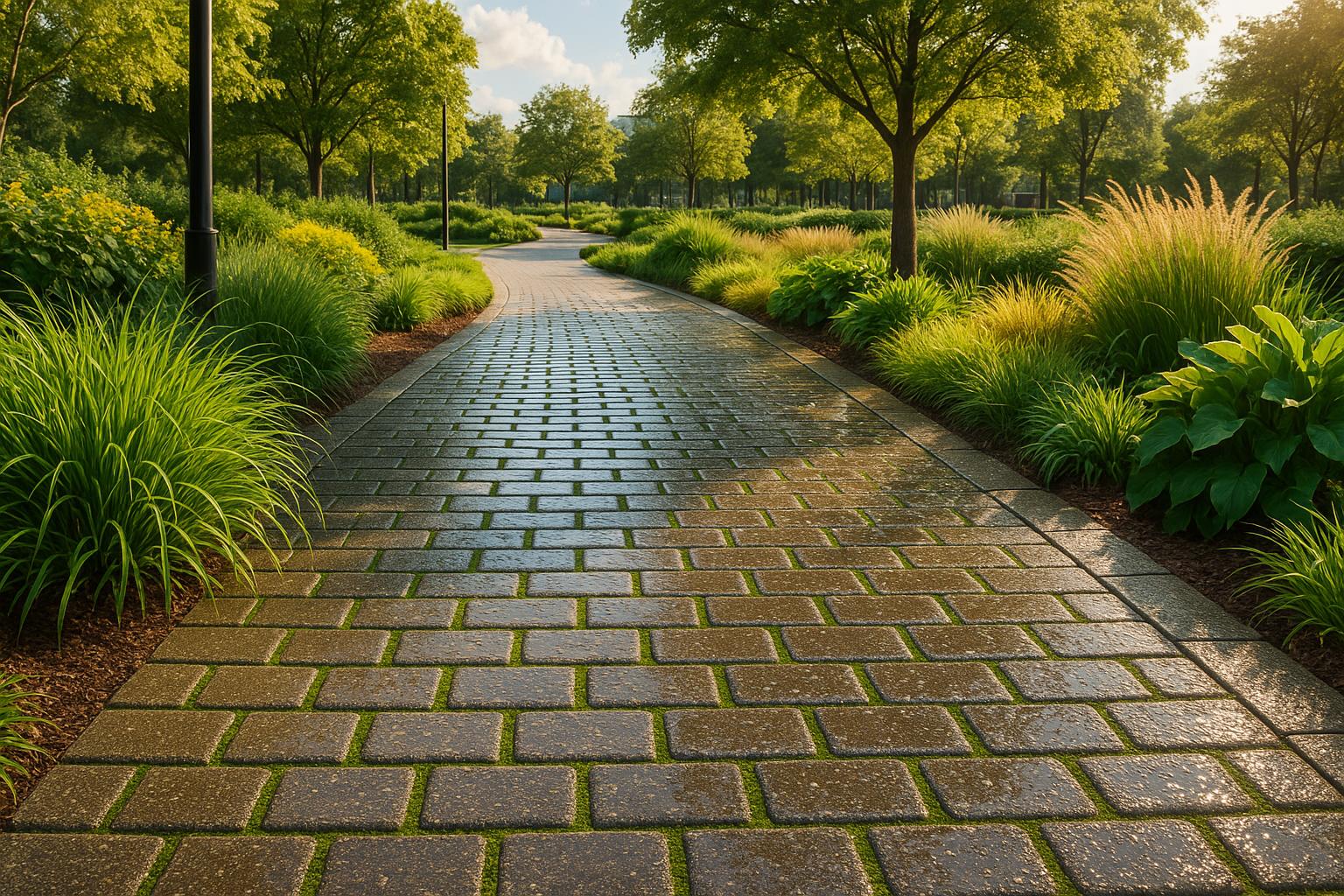
Permeable pavers are a practical solution for reducing heat buildup and managing stormwater in urban areas. Unlike asphalt or concrete, these pavers allow water to pass through, cooling surfaces through evaporation and reducing flood risks. They can be 15–30°F cooler than asphalt, making them ideal for areas like Maryland, where summer heat and heavy rains are common. Additionally, they filter pollutants, protect waterways, and improve water quality. Proper installation, tailored to site conditions, ensures long-lasting performance and benefits for homeowners.
Key Benefits of Permeable Pavers:
- Heat Reduction: Stay 15–30°F cooler than asphalt through evaporative cooling.
- Stormwater Management: Handle up to 38.5 inches of rain per hour, reducing runoff and flooding.
- Pollution Control: Filter out heavy metals and oils, improving water quality.
- Energy Savings: Cooler surfaces lower energy needs for cooling nearby spaces.
For Maryland homeowners, partnering with experienced professionals ensures effective installation and compliance with local conditions, maximizing these benefits.
The Heat Island Effect and Standard Paving Materials
What Is the Heat Island Effect?
The urban heat island effect refers to the way cities tend to be much hotter than their surrounding rural areas. According to the EPA, temperatures in urban zones can be as much as 7°F higher than in nearby countryside during the day [3]. This happens because cities are packed with heat-trapping structures like buildings and pavement, and they often lack enough greenery to help cool things down [2][5]. These surfaces soak up heat from the sun throughout the day and release it slowly at night, keeping urban areas warmer around the clock. This constant heat absorption highlights how traditional building materials play a major role in urban warming.
How Standard Paving Materials Trap Heat
Materials like asphalt and concrete are some of the biggest culprits when it comes to heat buildup in cities. These surfaces don’t reflect much sunlight, and they’re great at storing heat. For instance, asphalt pavement can reach scorching surface temperatures of over 152°F during the middle of the day [6]. Unlike natural surfaces, which cool down through processes like water evaporation, these materials hold onto heat and release it gradually, warming the surrounding area well into the evening [5]. In many cities, impermeable pavements cover more than 30% of the land and can hit temperatures above 140°F during summer [4], effectively turning urban areas into heat reservoirs.
Impact on Maryland Communities
In Maryland, the heat-trapping nature of these surfaces has far-reaching effects, from rising energy bills to environmental challenges. Cities like Baltimore and Bethesda feel the brunt of this problem, where hotter temperatures lead to higher energy consumption, particularly for air conditioning. This, in turn, drives up costs and increases greenhouse gas emissions [2]. The heat island effect also worsens air quality by encouraging the formation of ground-level ozone and other pollutants, making outdoor activities less enjoyable and potentially harmful to public health [5].
Additionally, when rainwater flows over heated pavement, it carries that thermal energy into nearby streams and lakes, causing what’s known as thermal shock. This sudden temperature change can disrupt aquatic ecosystems and harm local wildlife [6].
| Impact Area | Consequences for Maryland Communities |
|---|---|
| Energy Costs | Higher cooling expenses and increased grid demand |
| Air Quality | More ozone pollution and discomfort outdoors |
| Aquatic Life | Thermal stress on waterways, harming ecosystems |
| Public Health | Higher risks of heat-related illnesses |
To combat these challenges, Maryland communities need to explore solutions that reduce heat retention and improve environmental conditions. Investing in alternatives like permeable paver systems and other cooling infrastructure can help mitigate the combined effects of higher energy demands, declining air quality, and stressed ecosystems.
Can Permeable Paving Make Your Home’s Outdoor Space Cooler? – Eco Home Blueprint
How Permeable Pavers Reduce Heat
Permeable pavers offer a natural way to combat urban heat by breaking the cycle of heat buildup that traditional asphalt and concrete tend to encourage.
The Cooling Effect of Permeable Pavers
These pavers work by allowing water to seep through their surface into the layers below. As this stored water evaporates, it creates a cooling effect – commonly known as evaporative cooling. Research shows that permeable concrete pavements can stay 15–30°F cooler than asphalt, with surface temperatures averaging 10–16°F lower than asphalt’s peak of 152°F [1][6]. This cooling effect becomes even more pronounced after rainfall.
Following rainy days, permeable concrete pavements emit 25–30% less heat compared to standard concrete. This is because the evaporation process continues, keeping the surface cooler for longer [4].
Material Selection for Heat Reduction
The choice of material and color plays a major role in managing heat. Lighter-colored materials and natural options reflect sunlight more effectively, helping to keep surfaces cooler [1]. For instance, wood-based and light-colored concrete pavers are particularly effective at resisting overheating. Porous pavers, which can have void spaces of up to 92%, absorb less heat since there’s less solid material to retain it [3].
Pavers designed with high thermal conductivity take this a step further by transferring absorbed heat to the cooler ground below. This can reduce surface heat output by an additional 2.5% to 5.2% [4].
Other Benefits
The benefits of permeable pavers extend beyond cooling. They can help improve air quality by reducing ground-level ozone and cutting down on energy use for cooling. During colder months, they may also delay frost formation, reducing the need for de-icing salts that can harm plants and waterways [8].
When combined with vegetation, such as in grass-filled paver systems, the cooling effects are amplified. Plants contribute to cooling through transpiration, while the pavers ensure proper water infiltration. Together, they create comfortable microclimates that are far cooler than areas paved with traditional materials.
| Cooling Mechanism | Temperature Reduction | Additional Benefits |
|---|---|---|
| Evaporative cooling from water flow | 15–30°F cooler than asphalt | Continuous cooling after rainfall |
| Light-colored, reflective materials | 10–16°F cooler surface temps | Reduced glare |
| High void space design (up to 92%) | Lower heat absorption | Improved water storage capacity |
| Thermal conductivity to ground | 2.5–5.2% less heat output | More comfortable walking surfaces |
sbb-itb-843f8be
Stormwater Management and Permeable Pavers
Permeable pavers do more than just keep surfaces cool – they’re also an excellent solution for managing stormwater, a pressing concern for Maryland homeowners dealing with frequent heavy rains and the risk of flooding.
How Permeable Pavers Manage Stormwater
These pavers are designed to let rainwater pass through small gaps or porous materials, allowing it to soak directly into the ground instead of overwhelming storm drains. When rain hits the surface, water flows through the joints or pores and collects in a base layer beneath the pavers, typically made of gravel or aggregate.
From there, the water slowly seeps into the subsoil, replenishing groundwater supplies and supporting the natural water cycle. This process also acts as a natural filtration system, catching pollutants and sediments before they can enter aquifers or nearby waterways.
The drainage efficiency of these systems is remarkable. Some setups can manage up to 38.5 inches of rainfall per square foot per hour [3]. That’s well above what most storms bring, ensuring they perform even during heavy downpours. With up to 92% void space in the base layer, these systems provide ample underground storage, significantly reducing surface runoff [3]. Essentially, they transform what would otherwise be impermeable surfaces into active water management tools.
This combination of effective filtration, storage, and gradual release of water not only manages stormwater but also plays a key role in mitigating flood risks.
Reducing Flood Risks in Maryland
In Maryland, where storms can be intense and frequent, traditional stormwater systems are often overwhelmed. Permeable pavers offer a practical alternative by managing water directly on-site.
Research led by Rutgers University found that permeable concrete pavement not only handles stormwater more efficiently but also improves water quality and reduces runoff after rain [4]. By adopting permeable pavers, homeowners can help reduce flooding, recharge groundwater, and ease the burden on municipal drainage systems.
The benefits go beyond flood control. These systems also filter out pollutants and lower the temperature of runoff water, which helps protect aquatic ecosystems and minimizes thermal shock to waterways [6][7].
For Maryland homeowners, this means fewer flood-related damages and less reliance on strained public infrastructure. When used in areas like driveways, patios, and walkways, permeable pavers can collectively make a big difference in reducing the load on storm drains.
| Stormwater Benefit | Traditional Pavement | Permeable Pavers |
|---|---|---|
| Water infiltration rate | 0 inches/hour | Up to 38.5 inches/hour |
| Runoff reduction | None | Significant |
| Groundwater recharge | No contribution | Active recharge |
| Pollutant filtering | None | Natural filtration |
| Flood risk impact | Increases risk | Reduces risk |
Pro Landscapes MD offers tailored permeable paver solutions to address Maryland’s stormwater challenges. Their process includes thorough site evaluations, careful material selection, and expert installation to ensure optimal performance. By combining permeable pavers with other drainage solutions like French drains and grading, they create integrated systems that manage water effectively while boosting your property’s resilience to Maryland’s unpredictable weather.
Choosing and Installing Permeable Pavers with Pro Landscapes MD

Picking the right permeable pavers for your Maryland property goes beyond just selecting a design that looks good. To ensure a successful installation, you need to consider your site’s specific conditions and work with skilled professionals who can deliver results that last. Let’s dive into how you can choose and install permeable pavers to get the best performance and durability.
Factors to Consider When Selecting Permeable Pavers
Soil type is a critical starting point for any permeable paver system. Sandy soils are naturally good at draining water, making them compatible with most paver designs. On the other hand, clay soils can be tricky – they slow water absorption and often require deeper gravel bases or even underdrain systems to manage water effectively.
Maryland’s climate patterns also play a huge role in choosing materials. The state’s freeze-thaw cycles can crack poorly suited pavers, while heavy summer rains demand systems that can handle intense water flow. Opting for pavers designed to withstand local weather conditions helps reduce issues like cracking and shifting, cutting down on long-term maintenance headaches.
Your property layout and slope also matter. Steep driveways might need terracing or retaining walls to prevent erosion, while flat areas require careful grading to ensure water spreads evenly. And don’t forget the purpose of the paved area – a driveway needs to handle much more wear and tear than a simple garden path.
If you’re looking to reduce heat and manage stormwater better, the materials you choose are key. Light-colored or reflective pavers can help deflect sunlight and lower heat absorption. Some newer options, like wood-based pavers, not only keep things cooler but also capture and store carbon.
The Importance of Professional Installation
Getting the installation right is just as important as choosing the materials. A professional installation can mean the difference between a system that lasts for decades and one that fails prematurely. For example, if the sub-base isn’t prepared properly, you could end up with uneven surfaces or sinking over time. Similarly, using the wrong joint materials can clog the system, defeating the purpose of having permeable pavers in the first place. And poor grading? That can lead to water pooling, which is exactly what you’re trying to avoid.
Experienced contractors know how to navigate local regulations and stormwater management requirements. They’ll ensure your system complies with municipal codes while performing reliably. This expertise helps you avoid costly mistakes and ensures your investment delivers benefits like better drainage and reduced heat.
Professionals also handle critical steps like site evaluation, preparing the base, and filling joints correctly. Final touches, such as compacting the surface and adding edge restraints, keep the pavers from shifting over time.
Pro Landscapes MD: Your Local Partner for Eco-Friendly Solutions
When it comes to Maryland’s unique conditions, working with local experts makes all the difference. Pro Landscapes MD brings a deep understanding of central Maryland’s soil and weather challenges to every project. Their team combines technical know-how with an eye for sustainable hardscaping solutions.
What sets Pro Landscapes MD apart is their comprehensive approach. They don’t just install permeable pavers – they integrate them with other drainage solutions like French drains, grading adjustments, and stormwater management systems. This ensures your outdoor space stays functional and attractive, regardless of Maryland’s unpredictable weather.
Pro Landscapes MD uses high-quality materials from trusted brands like Techo-Bloc, known for their durable and high-performing paver options. With extensive experience across areas like Howard County, Montgomery County, Carroll County, Frederick County, Prince George’s County, and Baltimore County, they know how to tackle the region’s specific soil and climate challenges.
Beyond installation, Pro Landscapes MD offers ongoing support and maintenance advice. They work with homeowners to ensure their permeable paver systems continue to perform well through Maryland’s changing seasons, providing lasting benefits in stormwater control and heat reduction.
| Installation Factor | DIY Approach | Professional Installation |
|---|---|---|
| Site assessment | Basic visual inspection | Comprehensive soil and drainage analysis |
| Base preparation | Standard depth | Customized depth based on conditions |
| Material selection | Limited knowledge | Expert matching to site conditions |
| Compliance | Unknown requirements | Full regulatory compliance |
| Long-term performance | Variable results | Engineered for durability |
| Warranty | None | Professional guarantee |
Pro Landscapes MD takes care of everything – from the initial design consultation to the final installation and maintenance plan. Their commitment to quality and customer satisfaction makes them a top choice for Maryland homeowners looking for eco-friendly solutions to tackle heat and stormwater challenges effectively.
Conclusion: Transforming Maryland Landscapes with Permeable Pavers
Permeable pavers offer a smart solution for Maryland homeowners dealing with rising temperatures and unpredictable weather patterns. Research shows that these surfaces can lower temperatures by 10–16°F compared to traditional asphalt[6]. They also handle up to 70% of stormwater runoff[1], helping to reduce flooding risks, create cooler outdoor spaces, and even cut energy costs in areas like Columbia and Silver Spring.
The benefits go beyond just temperature control. Permeable pavers help filter pollutants from stormwater, protecting local waterways and fostering healthier ecosystems. Across the country, urban projects have shown how combining cooling effects with stormwater management can make a meaningful difference for communities[1]. But achieving these benefits requires proper installation by skilled professionals.
Expert installation is key to ensuring these systems perform at their best. From grading and base preparation to selecting the right materials, professional expertise ensures that your investment will last for decades. Pro Landscapes MD specializes in this, combining knowledge of Maryland’s unique soil and climate conditions with proven installation methods.
What makes Pro Landscapes MD stand out is their holistic approach to sustainable hardscaping. They don’t just install permeable pavers – they pair them with tailored drainage solutions to create outdoor spaces that are both functional and visually appealing. Their work throughout Howard County, Montgomery County, and nearby areas has earned a reputation for quality and reliability, with clients consistently praising their results.
As Maryland faces more frequent heatwaves and severe weather, permeable pavers provide a forward-thinking solution. They tackle today’s challenges while helping homeowners prepare for future climate conditions. With Pro Landscapes MD’s expertise in paver installation and stormwater management, homeowners can create outdoor spaces that are not only beautiful but also environmentally responsible – helping to build cooler, more resilient communities across the region.
FAQs
What are the long-term maintenance and durability benefits of permeable pavers compared to traditional paving materials?
Permeable pavers come with a range of long-term advantages that set them apart from traditional paving options like asphalt or concrete. One of their standout features is their ability to let water pass through, which helps prevent water pooling and reduces the damage caused by freeze-thaw cycles. This design makes them far more resistant to weather-related wear and cracking.
When it comes to upkeep, permeable pavers are relatively low-maintenance. While they do require occasional cleaning to clear debris from the joints, they don’t demand resurfacing or sealing like conventional materials. Plus, their modular design means that if a paver gets damaged, you can simply replace that single piece instead of dealing with costly repairs to an entire paved surface. This combination of durability and easy maintenance makes them a smart choice for the long haul.
What are the environmental advantages of using permeable pavers besides reducing heat and managing stormwater?
Permeable pavers come with a range of benefits for the environment, extending well beyond their role in managing stormwater and reducing heat. By letting water seep through their surface, they help replenish groundwater levels and cut down on runoff that often carries harmful pollutants into nearby streams and rivers.
These pavers also contribute to greener landscaping by lessening the urban heat island effect, which helps create cooler outdoor environments. Plus, they reduce the need for heavy irrigation, making them a smart option for designing outdoor spaces that are both practical and mindful of the planet.
What’s the best way to ensure permeable pavers are installed properly for maximum effectiveness?
To get the most out of permeable pavers, proper installation is key. This means careful planning, accurate layering of materials, and making sure the pavers are level and functional. When done right, they help reduce heat and manage stormwater effectively.
Experts like Pro Landscapes MD focus on installing environmental pavers and designing outdoor spaces with sustainability in mind. With their skills, your pavers won’t just be eco-friendly – they’ll also stand the test of time while efficiently handling heat and water runoff.
Chat with Us