









- bhavya gada
- No Comments
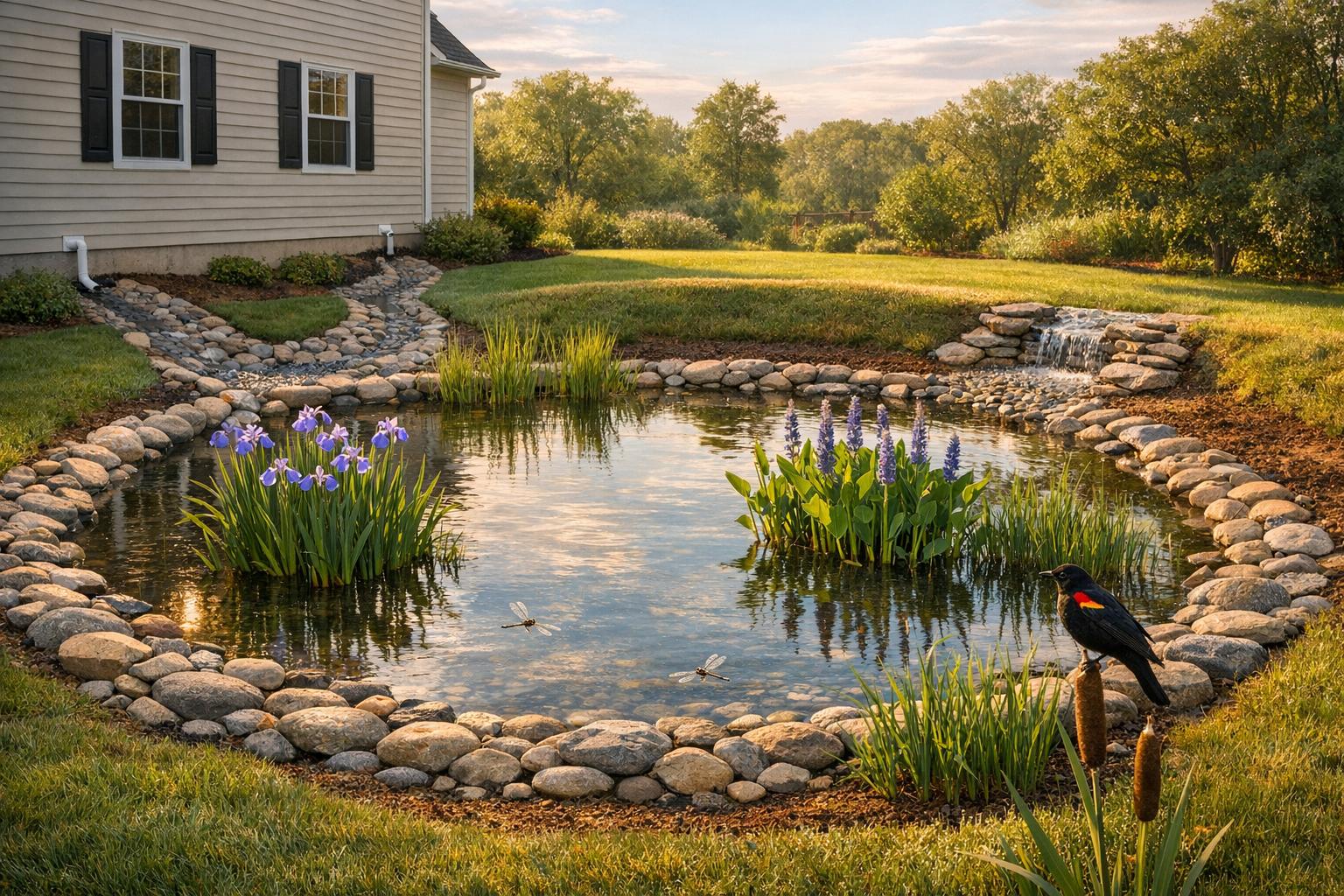
Stormwater wetlands are an effective way for Maryland homeowners to manage flooding, erosion, and water pollution caused by heavy rainfall and urban development. These systems mimic natural wetlands, slowing down runoff, filtering pollutants, and replenishing groundwater. Here’s why they matter:
- Flood control: Wetlands hold excess water during storms, reducing flash floods and protecting properties.
- Erosion prevention: They stabilize soil, especially on slopes, preventing landscape damage.
- Cleaner water: Wetlands filter out harmful substances like fertilizers, oil, and sediment before they reach local waterways and the Chesapeake Bay.
- Wildlife support: They provide habitats for birds, fish, and other species, boosting biodiversity.
- Property value: Wetlands enhance aesthetics and can increase property appeal.
With Maryland’s frequent storms and impervious surfaces like roofs and driveways contributing to runoff, stormwater wetlands are a practical solution for protecting homes and the environment. This article explains how they work, their benefits, and how to design and maintain them effectively.
Maryland Stormwater Pollution Statistics and Wetland Benefits
Constructed Wetland Design
sbb-itb-843f8be
Stormwater Problems Maryland Homeowners Face
Maryland’s frequent heavy rainfall, combined with urban development, creates stormwater runoff challenges that often leave homeowners grappling with flooding, erosion, and pollution issues.
Flooding and Water Runoff
Intense storms can overwhelm drainage systems, especially in areas dominated by hard surfaces like roofs, driveways, and sidewalks. With Maryland’s climate delivering heavy rainfall – sometimes several inches within hours [3] – water tends to rush off these surfaces instead of seeping into the ground.
Construction activities add to the problem by disturbing soil, which can clog drainage systems with sediment. Protecting stormwater systems from sediment during construction is crucial [2]. This rapid runoff not only strains drainage infrastructure but also leads to soil erosion, compounding the challenges for homeowners.
Erosion and Soil Loss
Erosion is a significant issue, particularly for properties on slopes. Urban development often replaces absorbent natural landscapes with impervious surfaces, forcing rainwater to flow downhill at high speeds. This runoff carves out channels in yards, strips away topsoil, and damages landscapes.
Heavy machinery used during construction can compact soil, further reducing its ability to absorb water [4]. As water gains momentum, it carries sediment into local waterways, contributing to property damage and diminishing the land’s value. Homeowners can counteract this by planting native trees and deep-rooted plants, which help stabilize the soil and reduce erosion [4]. Preventing erosion is key to preserving property value and preparing for long-term stormwater management.
Water Pollution and the Chesapeake Bay
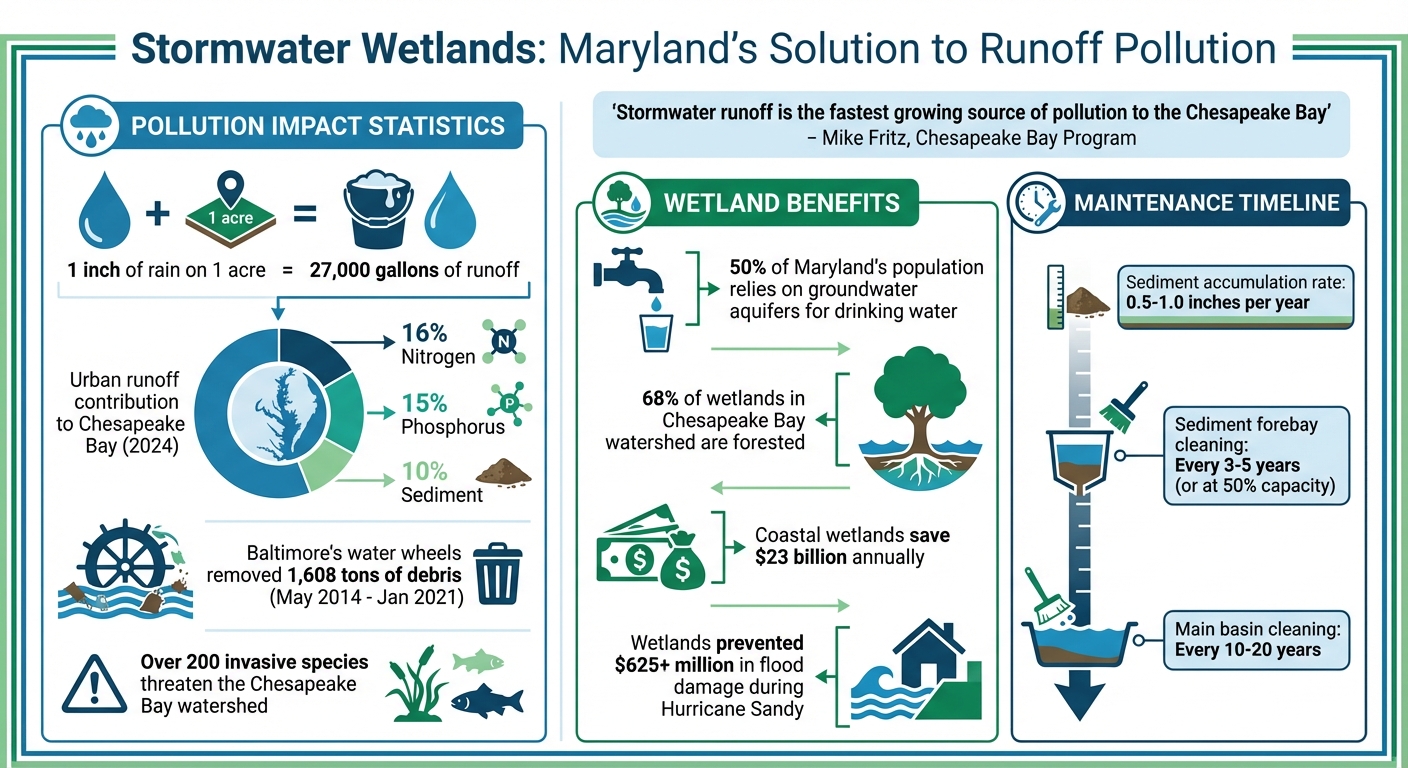
Stormwater runoff doesn’t just affect individual properties – it also carries pollutants like fertilizers, oil, pet waste, and litter into local streams and, eventually, the Chesapeake Bay. A single inch of rain falling on an acre of impervious surface generates about 27,000 gallons of runoff [5].
In 2024, urban runoff contributed 16% of nitrogen, 15% of phosphorus, and 10% of sediment entering the bay [1]. These pollutants fuel algae blooms, which deplete oxygen in the water and create "dead zones" where marine life struggles to survive [1] [5].
"Stormwater runoff… is the fastest growing source of pollution to the Chesapeake Bay."
- Mike Fritz, Chesapeake Bay Program [1]
Efforts to combat pollution have shown progress. For example, Baltimore’s trash-collecting water wheels removed 1,608 tons of debris from the Inner Harbor between May 2014 and January 2021 – debris that would have otherwise polluted the bay [1]. If you spot stormwater pollution or sediment issues in your area, report them to the Maryland Department of the Environment [2]. Tackling these problems is vital for safeguarding local waterways and the Chesapeake Bay.
How Stormwater Wetlands Work as Solutions
Stormwater wetlands play a vital role in Maryland’s stormwater management efforts. Unlike natural wetlands that evolve over time, these are purpose-built systems designed to manage runoff from hard surfaces like roofs and driveways. Their primary functions are to capture, slow, and treat stormwater before it flows into local waterways. Along the way, they also help filter pollutants, control flooding, and replenish groundwater supplies.
Natural Filtration of Pollutants
Stormwater wetlands act as nature’s cleanup crew. Plants and soil within these systems work together to filter out harmful substances and debris. As stormwater moves through the vegetation, its speed slows, allowing sediments and pollutants to settle. The roots of wetland plants, along with soil microorganisms, then break down contaminants such as fertilizers and oils. Maryland often combines these wetlands with other systems like bio-swales, wet swales, and infiltration trenches to create a more comprehensive approach to managing runoff. Submerged gravel wetlands and wet ponds are examples of these integrated solutions used across the state.
Flood Mitigation
Flooding is a persistent issue in Maryland, and stormwater wetlands are a key piece of the puzzle. They’re especially valuable in areas prone to heavy rainfall, such as Ellicott City. Wetlands are part of broader plans like the "Safe and Sound" strategy, which aims to address peak runoff during storms. By temporarily holding excess water and releasing it slowly, these wetlands help to prevent flash flooding and reduce the strain on streams during extreme weather events [6].
Groundwater Recharge
Stormwater wetlands don’t just clean and control water – they also help replenish underground aquifers, which are essential for Maryland residents. About 50% of the state’s population relies on these aquifers for drinking water [7] [8].
"Groundwater recharge represents the portion of precipitation that percolates through the soil and enters underground aquifers." – Maryland Department of Natural Resources [7]
These wetlands play a critical role in ensuring long-term water availability while addressing immediate challenges like pollution and flooding.
Benefits of Stormwater Wetlands for Maryland Homes
Improved Water Quality
Stormwater wetlands work like nature’s filtration system. They slow down runoff, giving native plants and soil microbes time to trap sediments and break down harmful pollutants before the water reaches local streams or the Chesapeake Bay [9]. As water flows through these wetlands, sediments naturally settle, and microorganisms get to work breaking down organic pollutants and pathogens. This process significantly reduces the toxicity of runoff. Cleaner water not only protects nearby waterways but also enhances the appeal and value of your property, all while aligning with Maryland’s stormwater management goals.
Better Aesthetics and Property Value
Stormwater wetlands do more than just clean water – they add beauty and charm to properties. These wetlands can transform spaces into lush, tree-lined landscapes that boost property values and create perfect spots for birdwatching or photography [9]. In fact, about 68% of wetlands in the Chesapeake Bay watershed are forested [9], offering homeowners the opportunity to plant trees and shrubs that add height, shade, and visual interest. For waterfront homes, wetlands also help stabilize shorelines, protecting against erosion caused by waves and flooding. By using native plants and a mix of vegetation – like grasses, sedges, shrubs, and trees – you can create a natural, layered look that requires less upkeep than traditional landscaping while supporting Maryland’s stormwater goals.
Wildlife Habitat Creation
These wetlands go beyond aesthetics by providing a haven for local wildlife, turning your property into a biodiversity hotspot. Stormwater wetlands offer essential food, water, and shelter for a wide variety of species, including fish, birds, mammals, and invertebrates [9]. They serve as critical spawning and nursery areas and are home to countless small aquatic creatures like insects, snails, and crustaceans that form the base of the local food chain.
"Wetlands are critical ecosystems to the Chesapeake Bay… They also bring us a diversity of birds, mammals, reptiles, insects and other critters that are attracted to the unique mix of habitats they provide." – Megan Ossmann, Habitat Goal Implementation Team staffer, Chesapeake Bay Program [10]
Designing and Installing Stormwater Wetlands in Maryland
Creating stormwater wetlands that function effectively requires thoughtful planning and installation tailored to Maryland’s unique environmental conditions.
Key Design Features
Effective stormwater wetlands rely on shallow marsh zones, where water remains just a few inches deep, to filter out pollutants. The wetland’s size should be calculated based on the drainage area and expected runoff volume. Incorporating native plants like sedges and cattails is crucial – they thrive in Maryland’s climate and play a vital role in trapping sediments and breaking down harmful contaminants before they can flow into local waterways or the Chesapeake Bay. These design elements not only improve water quality and manage flooding but also tie directly to the benefits highlighted earlier. Additionally, using tools like the USDA Web Soil Survey can provide valuable information about soil infiltration rates and overall suitability for wetland construction [11].
Once the design is finalized, precise site grading ensures the wetland operates as intended.
Integration with Property Grading
Stormwater wetlands work best when integrated naturally into a property’s existing layout. Position the wetland in a natural low-lying area and grade the site to promote slow, steady water flow. This approach allows for effective filtration without creating stagnant water. In urban areas, addressing soil compaction and contamination is essential, often requiring soil preparation or amendments. Adjustments like gentle berms or swales can help direct runoff into the wetland while maintaining an attractive landscape [11].
Compliance with Maryland Regulations
Adhering to local regulations is a critical step in the process. Stormwater wetland designs in Maryland must comply with the standards set by the Maryland Department of the Environment. The Maryland Stormwater Design Manual (Volumes I and II) outlines the necessary principles and methods to replicate natural runoff patterns while reducing sediment and nutrient loads to the Chesapeake Bay. For residential projects, resources such as the Rain Gardens Across Maryland manual offer practical guidance on siting, sizing, and planting stormwater systems. Additional tools like the Chesapeake Assessment Scenario Tool (CAST) and The Green Book for the Buffer provide further criteria for evaluating performance and establishing shoreline buffers in coastal areas [11].
Maintaining Stormwater Wetlands for Long-Term Success
Keeping your stormwater wetland in good shape is key to ensuring it continues to filter pollutants and manage runoff effectively. If you’re a Maryland homeowner, it’s a good idea to work with your local Bureau of Environmental Services to make sure your maintenance efforts align with county regulations and Stormwater Pollution Prevention Plans [12]. Additionally, conducting yearly inspections will help keep your wetland performing at its best.
Annual Maintenance Tasks
Spring and fall are ideal times to inspect your wetland vegetation for signs of stress or decline. Clear out any fallen branches, trash, or leaf litter from inlet and outlet structures. Annual inspections should also include measuring sediment levels using permanent depth markers or sediment poles in both the forebay and main basin [14]. These routine tasks can help catch small issues before they become bigger problems and complement other infrastructure maintenance efforts like storm drain cleaning and street sweeping [12].
Monitoring for Invasive Species
Invasive plants can severely disrupt wetland ecosystems, so consistent monitoring is essential. Be on the lookout for species like Phragmites (tall, aggressive reeds), Purple Loosestrife (a fast-growing plant with purple flowers), and Water Chestnut (floating mats that block sunlight) [13]. With over 200 invasive species in the Chesapeake Bay watershed, these plants are a major threat to native ecosystems, second only to habitat loss [13].
If you spot early infestations, hand removal can be effective. For example, volunteers successfully removed water chestnut from Maryland’s Bird and Sassafras rivers in 1999 [13]. For more established invasives like Purple Loosestrife, biological controls such as leaf-feeding beetles may help, while targeted mowing and herbicide treatments can manage dense Phragmites stands [13]. Maryland also offers cost-share programs to help private landowners tackle invasive species on their property [13].
Long-Term Sediment Management
Sediment buildup can clog your wetland and disrupt water flow, so regular removal is critical. Sediment tends to accumulate at a rate of 0.5 to 1.0 inches per year in stormwater basins [14]. The sediment forebay – the small pool near the inlet designed to trap coarse particles – should be cleaned every 3 to 5 years or when it reaches 50% of its storage capacity [14]. The main wetland basin, on the other hand, may only need a major clean-out every 10 to 20 years [14].
Before removing sediment, test it for toxicity to ensure safe disposal. During large-scale sediment removal, dewater the wetland to make the material lighter, and replant any disturbed areas immediately to prevent erosion and stop invasive plants from taking over [14]. When designing your wetland, include a 10- to 15-foot maintenance access path to allow equipment to reach the site easily [14].
How Pro Landscapes MD Can Help with Stormwater Wetlands

Pro Landscapes MD specializes in creating stormwater wetlands tailored to handle flooding and runoff issues. Their team considers local soil conditions and drainage patterns, offering services throughout Howard County, Montgomery County, Carroll County, Frederick County, Prince George’s County, and Baltimore County. These solutions directly address the stormwater challenges previously discussed.
Custom Wetland Design and Installation
Pro Landscapes MD designs and installs stormwater wetland systems that manage floodwaters, reduce erosion, and protect local waterways. By incorporating native vegetation – plants suited for wet soils and low oxygen environments – they stabilize soil and filter out pollutants before water reaches the Chesapeake Bay. These wetlands play an essential role in trapping sediments and chemical contaminants, addressing stormwater runoff, which is one of the fastest-growing pollution sources for the Chesapeake Bay [1]. For properties near water, they also implement living shorelines to naturally stabilize soil [15].
Complete Stormwater Management Solutions
In addition to wetland design, Pro Landscapes MD offers a full range of drainage solutions to ensure water is effectively managed across your property. Their services include drainage installation, grading, land and yard leveling, French drains, and dry riverbeds. These solutions work in harmony with wetland systems by redirecting water from hard surfaces to vegetated areas or environmental pavers, reducing polluted runoff. Expert grading ensures water flows efficiently through the wetland system, enhancing its ability to filter pollutants and recharge groundwater.
Eco-Friendly Practices and Beautiful Outdoor Spaces
Pro Landscapes MD prioritizes environmentally conscious practices that comply with Maryland Department of the Environment standards while enhancing the beauty of your property. Their horticulture expertise allows them to select native wetland plants – trees, shrubs, and flowers – that thrive locally and support the ecosystem [15]. They also advise on nutrient management, such as avoiding nitrogen-heavy lawn supplements, to prevent nutrient pollution that can lead to aquatic "dead zones" [15]. This dual focus on sustainability and aesthetics transforms stormwater solutions into attractive landscape features. By combining environmental protection with property enhancement, Pro Landscapes MD serves communities from Ellicott City to Bethesda and Columbia to Towson, offering expertise in creating functional yet visually appealing outdoor spaces.
Conclusion
Stormwater wetlands offer Maryland homeowners a practical solution to tackle flooding, erosion, and pollution. Acting like natural sponges, these systems slow down runoff before it reaches the Chesapeake Bay, protecting not only your property but also supporting local wildlife and adding beauty to your landscape.
Beyond their environmental benefits, wetlands can also save money. Coastal communities, for instance, save an estimated $23 billion annually thanks to these systems, and they prevented over $625 million in flood damage during Hurricane Sandy alone [15]. For Maryland property owners, this means less erosion damage and potentially higher property values.
Pro Landscapes MD specializes in designing and installing stormwater wetlands tailored to your property’s unique drainage and soil conditions. Their team of skilled horticulturists combines scientific expertise with hands-on experience to create systems that meet Maryland Department of the Environment standards. At the same time, they turn problem areas into visually appealing landscape features.
Serving areas like Howard County, Montgomery County, Carroll County, Frederick County, Prince George’s County, and Baltimore County, Pro Landscapes MD provides end-to-end stormwater management services – from site assessments to ongoing maintenance. Their approach not only helps manage water effectively but also supports the Chesapeake Bay watershed’s health.
With their expert designs and maintenance plans, you can protect your property while contributing to the well-being of the environment.
FAQs
Do I need a permit for a stormwater wetland in Maryland?
Yes, you’ll usually need a permit from the Maryland Department of the Environment if you plan to construct or modify stormwater wetlands. This permit process helps ensure that projects meet regulations aimed at protecting water quality and preserving natural habitats.
How big does a stormwater wetland need to be for my yard?
The size of a stormwater wetland varies based on your yard’s specific conditions and your goals for managing stormwater. According to the Maryland Stormwater Design Manual, these wetlands are designed to handle runoff efficiently and help minimize flooding. Their dimensions are customized to match the volume of stormwater and the unique features of the property, ensuring they work as intended.
Will a stormwater wetland attract mosquitoes?
Stormwater wetlands can sometimes become a breeding ground for mosquitoes because these insects prefer to lay their eggs in standing water. However, this issue can be addressed effectively. By incorporating thoughtful design features and maintaining the wetlands regularly, you can keep water flowing and reduce stagnant areas, making it much harder for mosquitoes to thrive.
Chat with Us